2026 Private Pilot Ground School vs Flight Training: What Comes First?

Published by:
Hal Harris
Published on:
Updated on:
Read time:
7 min read
Private Pilot training has two sides. One is in the airplane. The other is not.
Ground school builds the knowledge. Flight training builds the hands, the eyes, the habits, and the judgment you need in the cockpit. Neither one replaces the other. And the students who skip ground school almost always end up spending more money in the airplane to close the gap.
So what comes first?
For most students, the honest answer is: start both, with a plan. Take an intro flight early. Then begin ground school before your flight lessons get expensive and confusing. The exact timing depends on your schedule, your study habits, Oklahoma weather, and what your instructor recommends.
What Ground School Actually Does
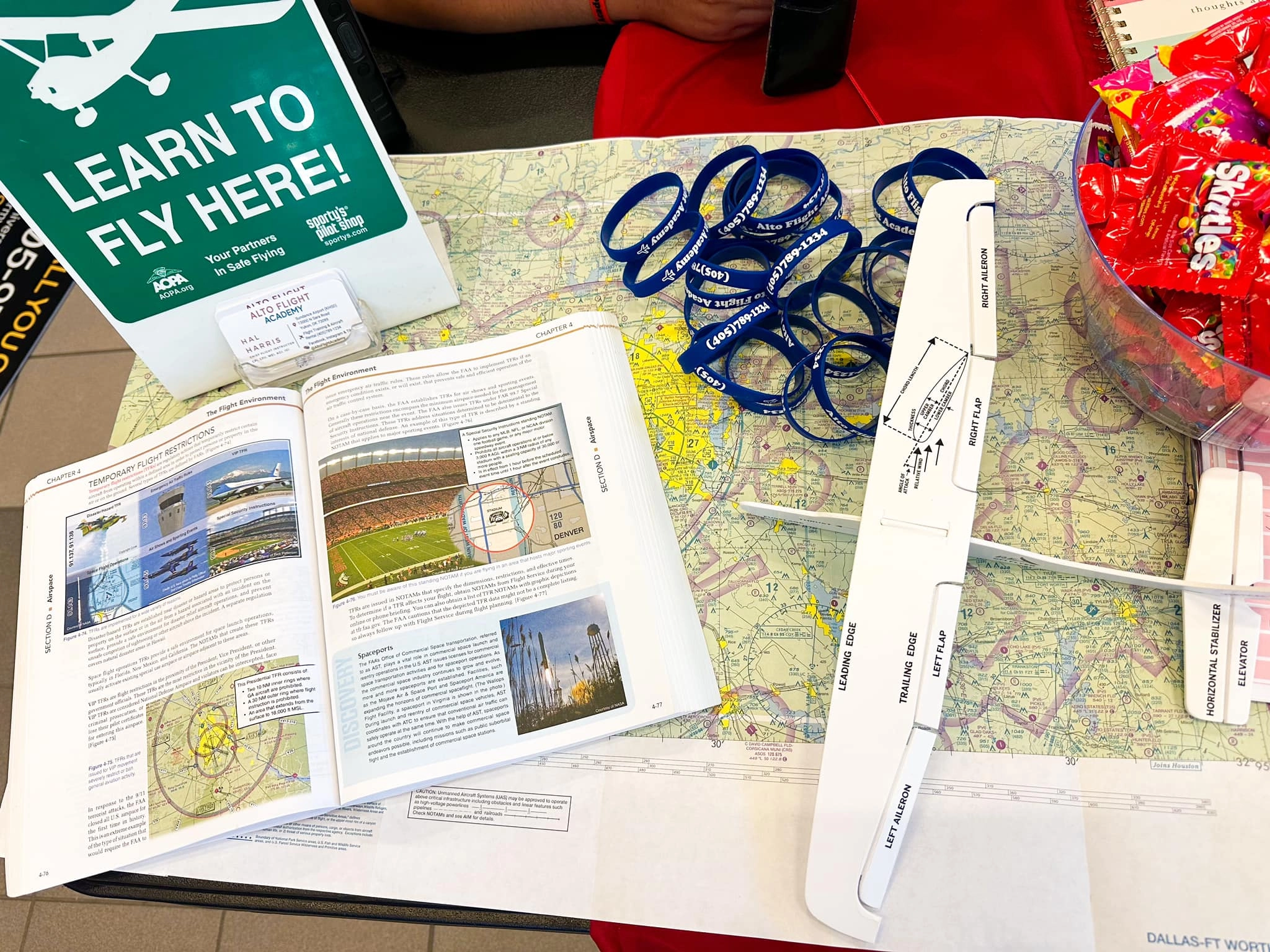
Ground school teaches the why behind everything that happens in the airplane. It covers:
- Weather and weather products
- Airspace
- Aircraft systems
- Navigation
- Charts and sectionals
- Performance and weight-and-balance
- FAA rules
- Risk management and aeronautical decision-making
When students skip this, the airplane becomes harder to understand. I can show you a maneuver ten times, but if you don’t know why we’re doing it, what it’s protecting you from, what it’s building toward, it takes longer to stick.
At Alto Flight Academy, students can use the Private Pilot ground school path to keep the knowledge side of training moving.
What Flight Training Does That Ground School Can’t
Ground school teaches knowledge. Flight training turns knowledge into action.
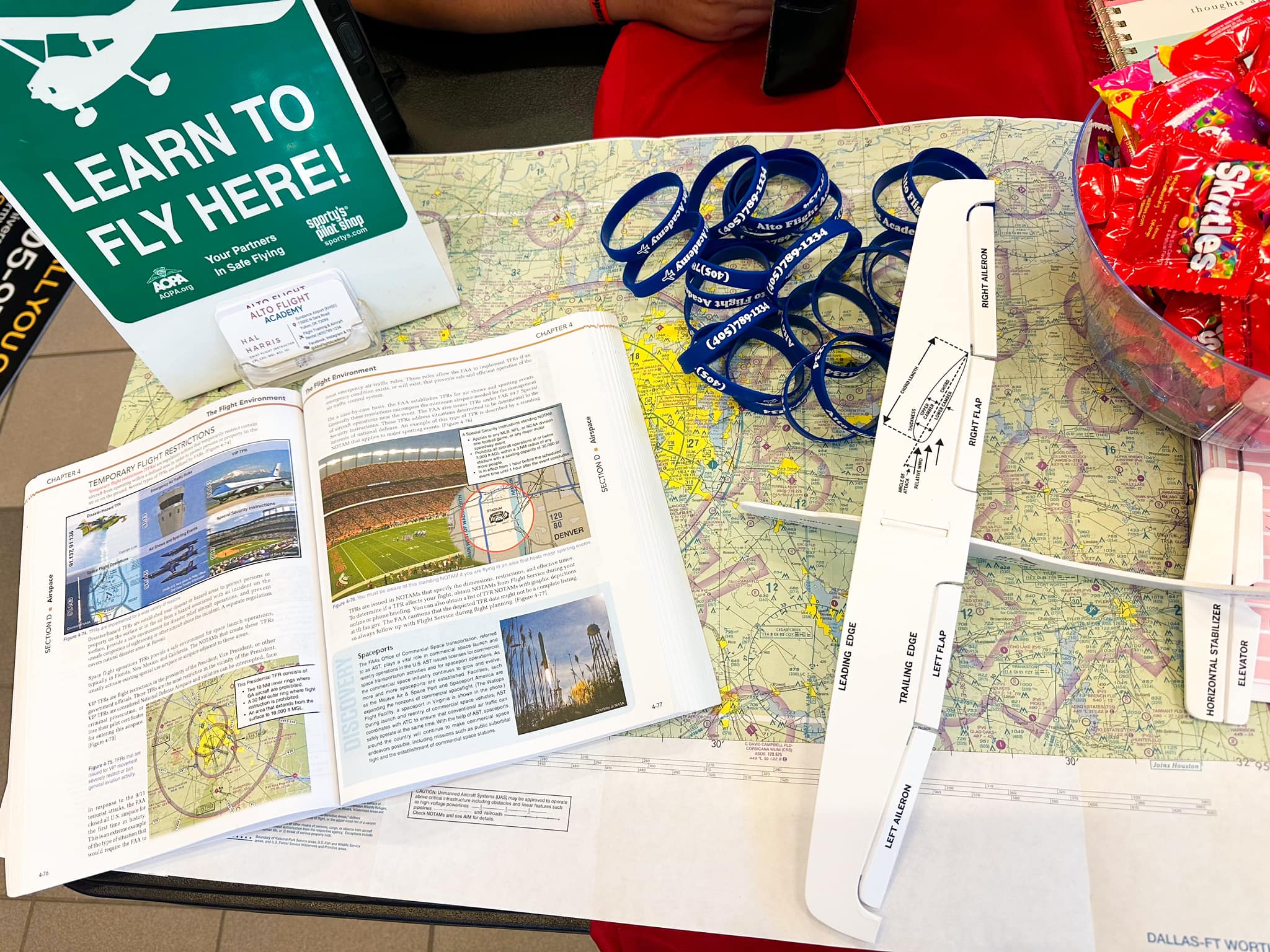
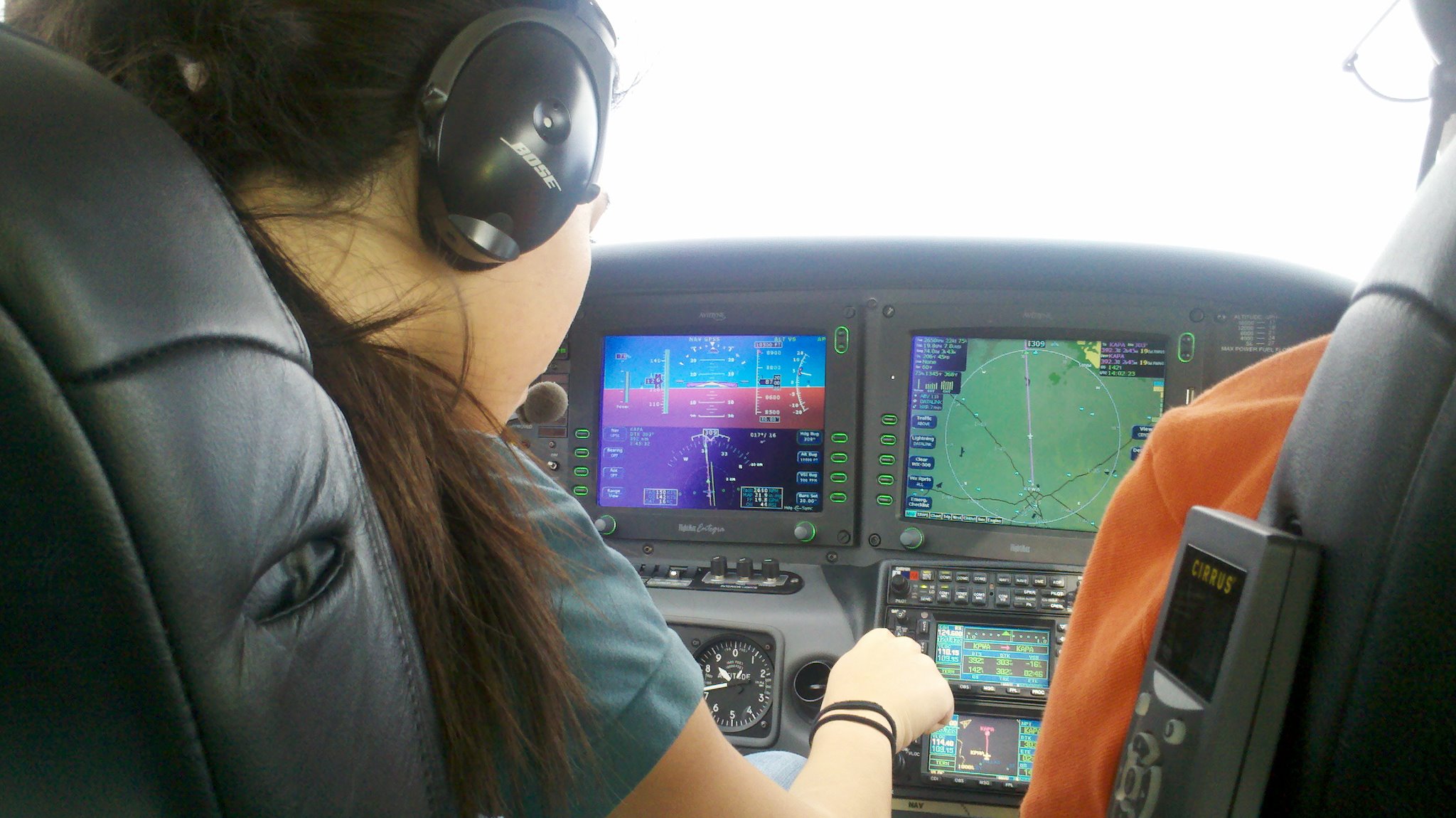
You learn to preflight the aircraft, taxi, take off, climb, turn, descend, communicate, land, handle abnormal situations, and make real decisions, with me sitting next to you, coaching and correcting in real time.
Early lessons are practical and physical. You’re learning how the airplane feels and how to stay ahead of it. Later lessons layer in solo preparation, cross-country planning, and the kind of judgment an FAA examiner will test.
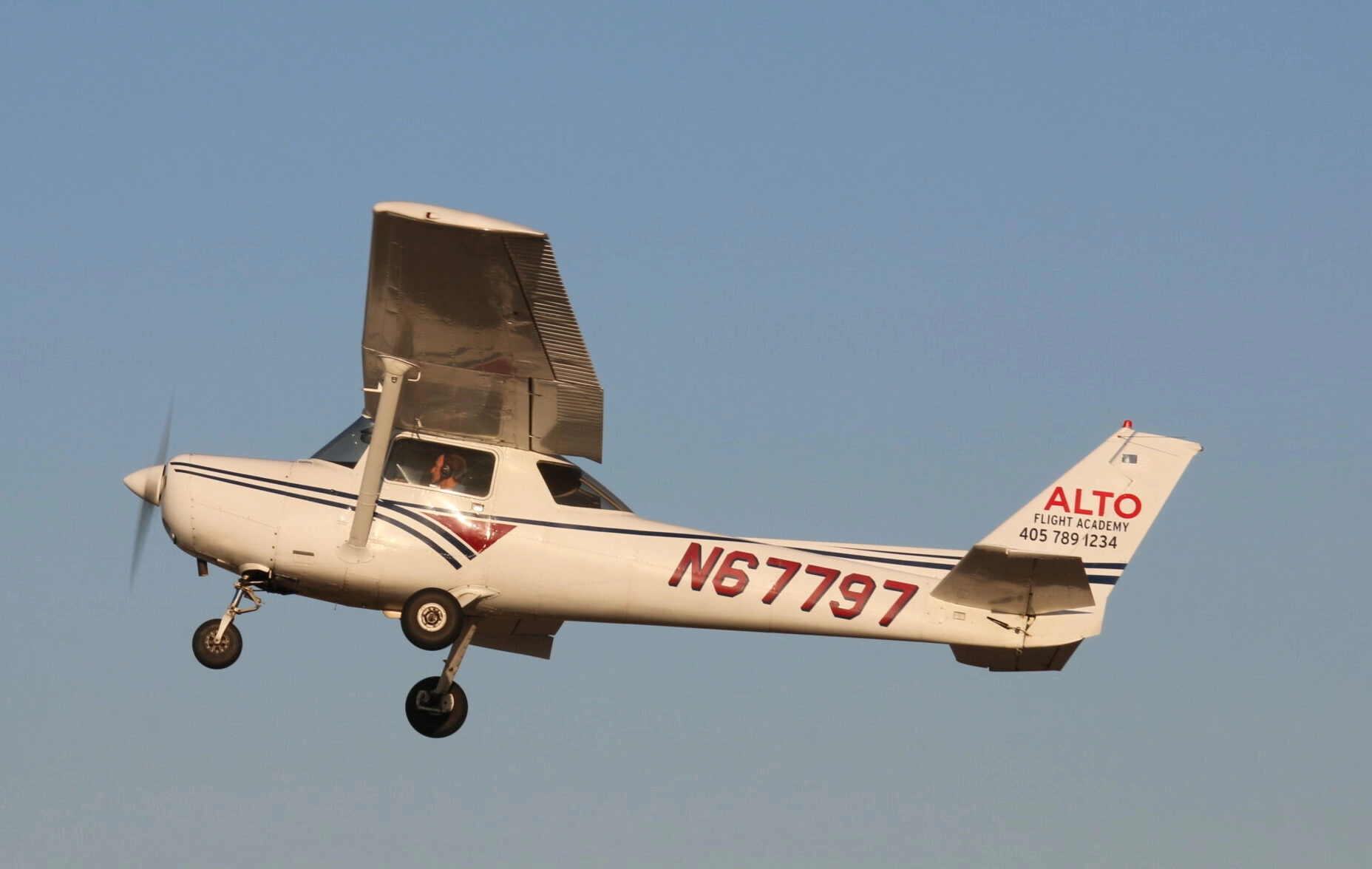
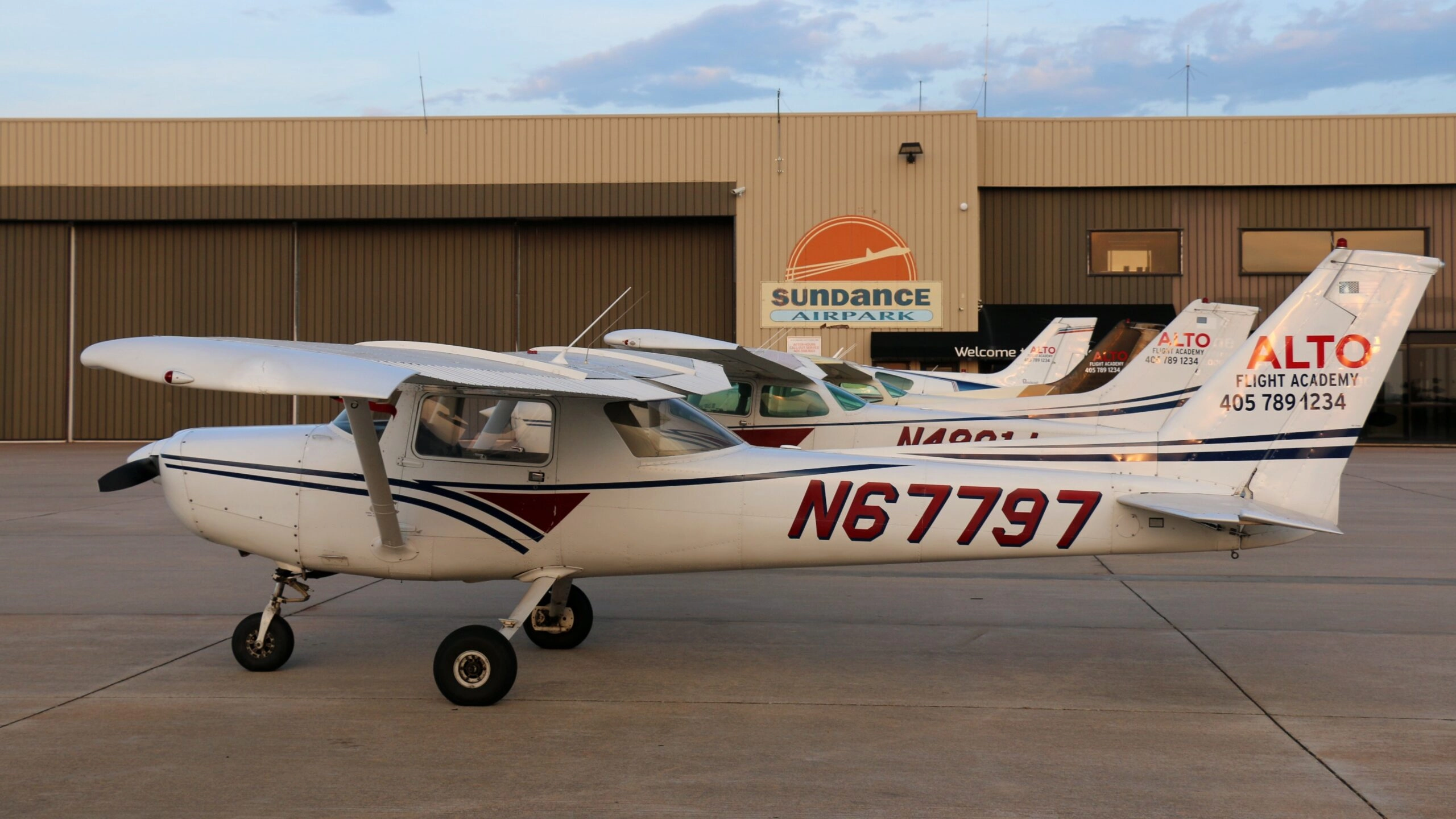
At Alto, the Private Pilot flight training path is based at Sundance Airport near Oklahoma City.
Should You Finish Ground School Before You Fly?
Not necessarily.
Some students do better by completing a large block of ground study first. The first lessons feel more grounded, and they understand why things work the way they do. Other students need to feel the airplane before the textbooks feel relevant. An intro flight can make ground school topics suddenly matter in a way they didn’t before.
The problem isn’t flying early. The problem is flying with no study plan behind it.
If you keep showing up for lessons without learning the knowledge side, you’re spending paid airplane time on things that could have been handled on the ground. That’s an expensive way to learn.
A Practical Sequence for New Students
The path that works for most of my students looks like this:
- Take an intro flight to see if this is real for you.
- Talk with your instructor about your schedule and goals.
- Start ground school early, before your flight lessons get regular.
- Begin regular flight lessons.
- Use each lesson to connect a ground topic to something you’re practicing in the airplane.
- Prepare for the FAA knowledge test.
- Keep building toward solo, cross-country work, and checkride prep.
This keeps the first step simple without letting the knowledge side fall behind.
What Comes First If You’re Working Full Time?
Build your training plan around your real week, not an imaginary one where you have unlimited free time and perfect Oklahoma weather.
Ask yourself honestly:
- How many times can I fly each week?
- Which days can I realistically study?
- Can I study before or after work?
- How far is Sundance Airport from my home or office?
- What happens to my momentum when a lesson gets cancelled?
If your flight schedule is tight, ground school becomes even more valuable. It keeps training moving on the days you can’t be in the airplane.
What Comes First If You’re Career-Track?
If your goal is a professional pilot path, take ground school seriously from the very beginning. Private Pilot is only the first step. Instrument, Commercial, CFI, Multi-Engine: each one builds on what came before, and the habits you form now follow you.
Study before lessons. Review after them. Ask your instructor why, not just how. Track your weak areas and close the gaps before they cost you on a checkride.
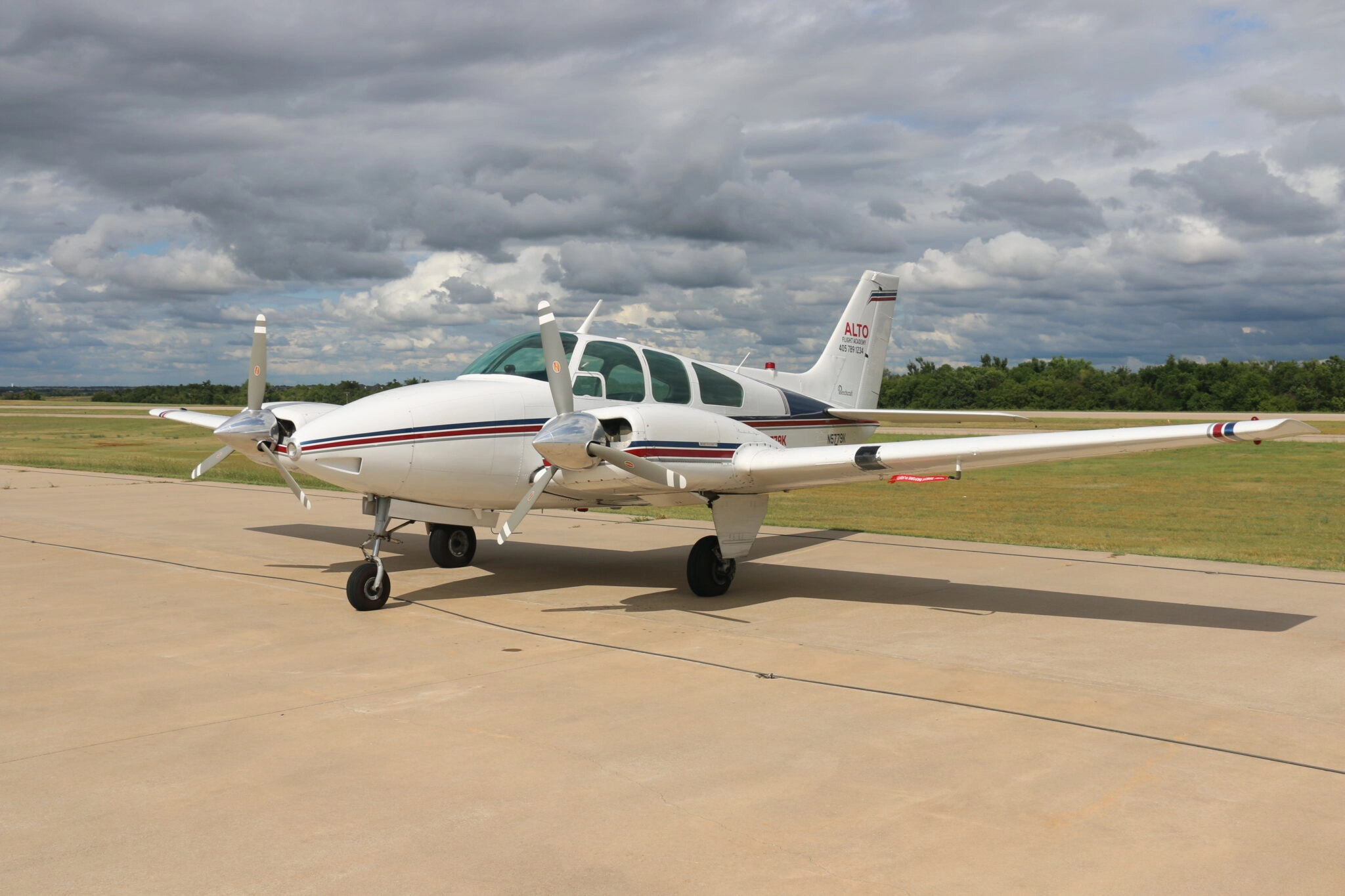
Alto can support training beyond Private Pilot, including Instrument Rating, Commercial Pilot, Flight Instructor, and Multi-Engine Rating.
Where Medical and Student Pilot Certificates Fit In
You don’t need a medical certificate or a student pilot certificate just to take lessons with an instructor.
Before solo, those things matter. Most airplane students should address medical certification early, before they spend heavily on training. If you have medical questions, talk to an Aviation Medical Examiner. Don’t guess based on what someone said online.
Your instructor will walk you through when the student pilot certificate application makes sense in your training.
The Short Answer
If you need to fly before the books feel real, start with the airplane. An intro flight can make everything click. Just don’t let ground school slip.
The strongest plan connects both:
- Learn a ground topic.
- See it applied in the airplane.
- Debrief it after the lesson.
- Study the next topic before you fly again.
That cycle is how the good students finish, and how they finish without burning through twice the money it should cost.
If you’re still figuring out where to start, read the Private Pilot License Oklahoma FAQ or go straight to Private Pilot Training at Alto.
When you’re ready to test the fit, book an intro flight and use that first lesson to build a plan you can actually stick to.