2026 Flight Lessons in OKC: What to Expect Before You Start
Published by:
Hal Harris
Published on:
Updated on:
Read time:
6 min read
Before your first lesson, you probably have a version of this thought running in the background: What if I don’t know enough? What if I freeze up? What if I’ve waited too long?
I’ve heard some version of that from almost every new student I’ve ever flown with. And the answer is always the same: you don’t need to know anything before you show up. That’s literally what the first lesson is for.
For students comparing flight lessons in OKC, the smartest first step is an intro flight at Alto Flight Academy at Sundance Airport in Yukon. Not because it locks you in, but because it answers the question you’re actually asking: Is this real for me?
What a First Flight Lesson Is Actually For
A first lesson isn’t about passing a test or memorizing checklists. It’s about answering one question: is this real for me?
You may have watched airplanes your whole life. You might be thinking about a career shift. Maybe you just want to fly for personal travel or for the joy of it. The first lesson turns that idea into direct experience.
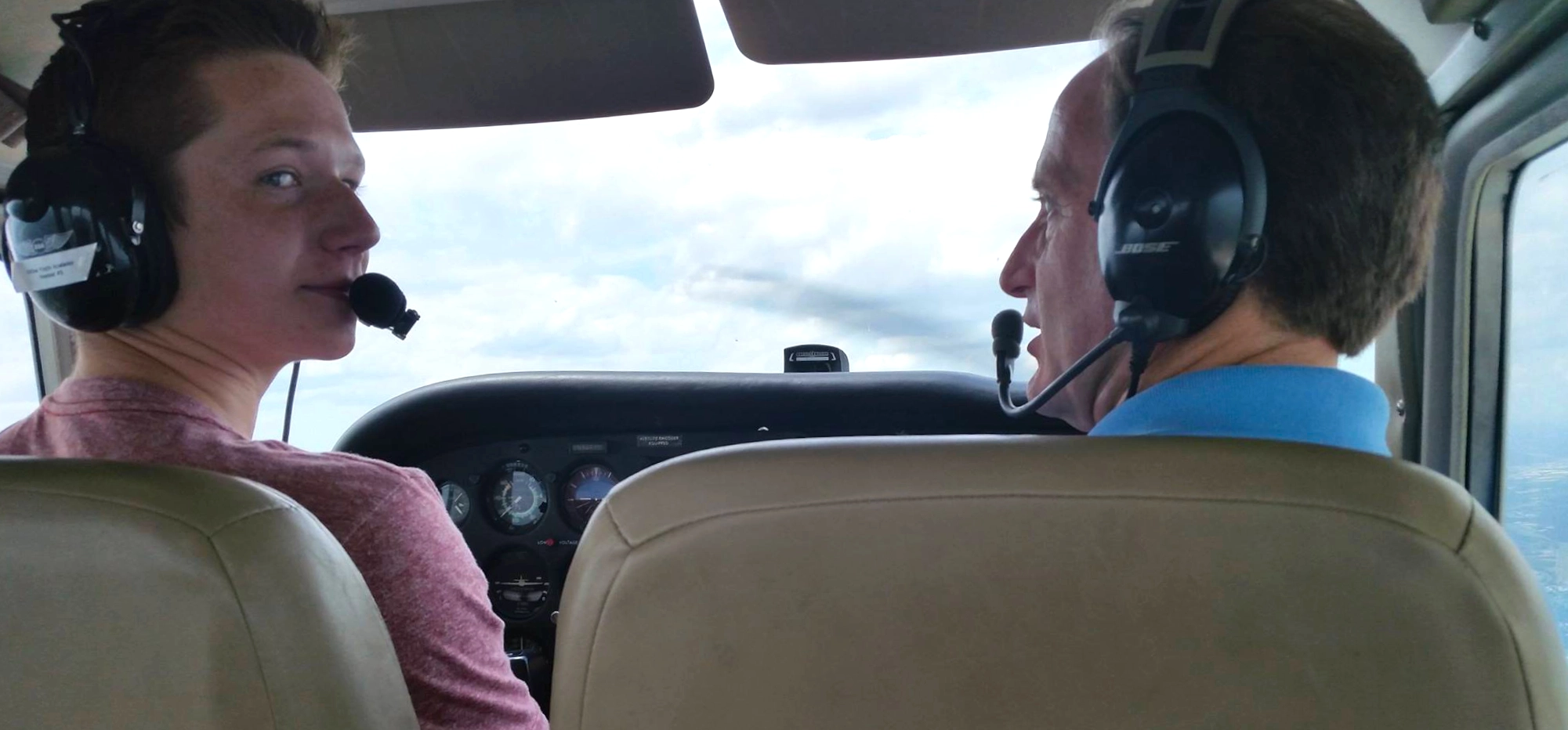
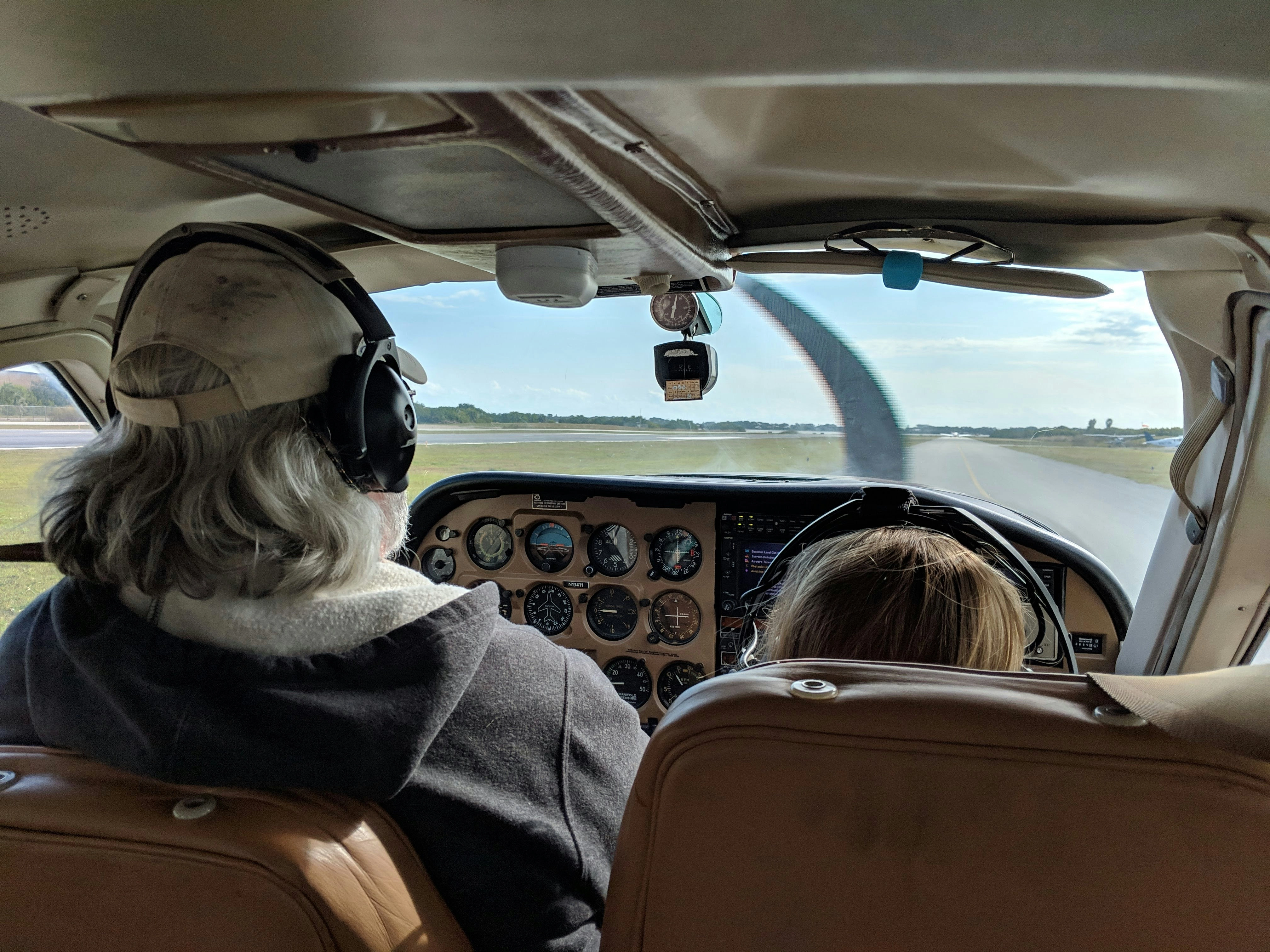
Most first lessons include a short briefing, a walkaround on the aircraft, time in the air with an instructor, and a post-flight conversation. The exact flow depends on weather, aircraft, and the instructor’s plan, but the goal is always the same: get you in the airplane and start making this real.
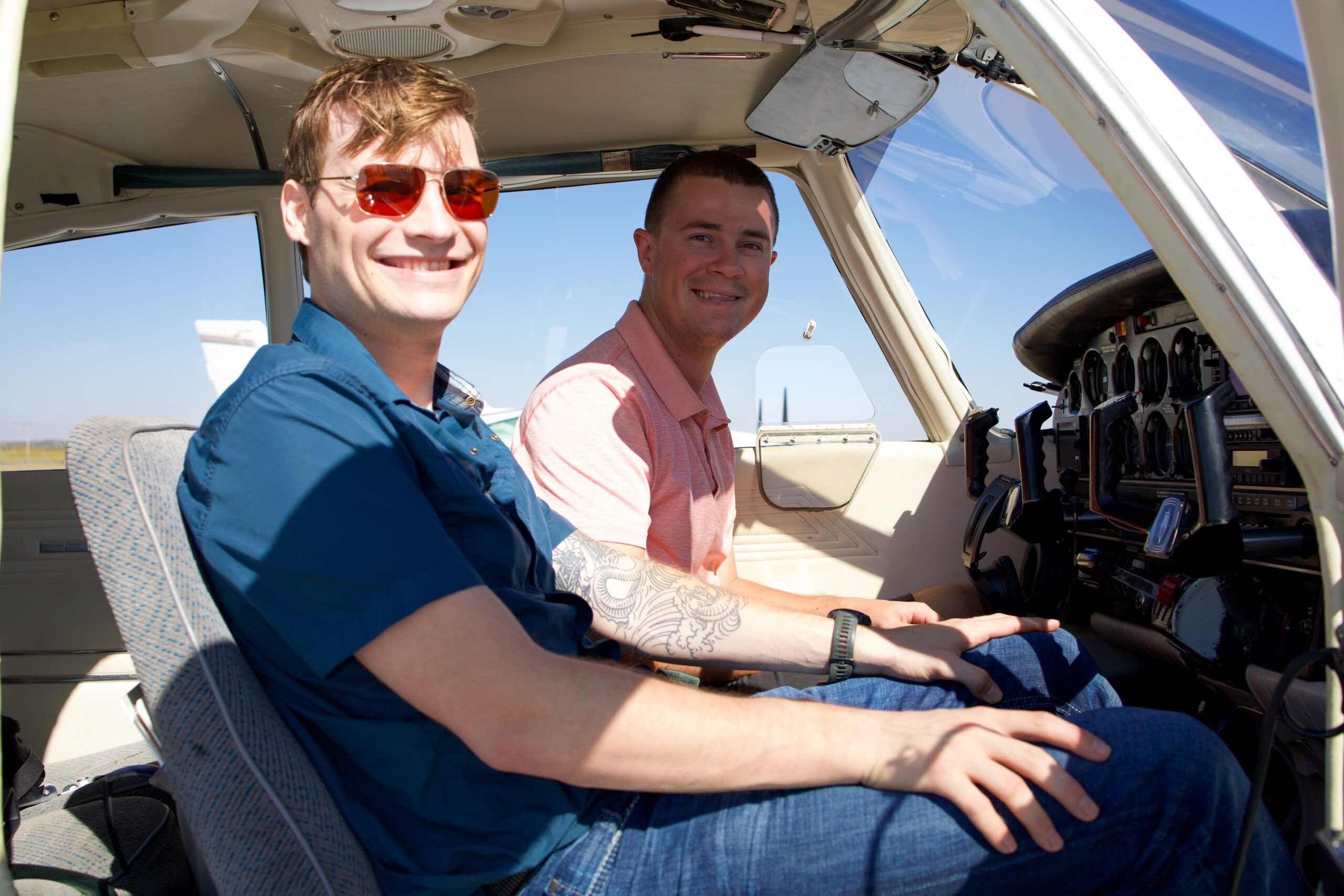
I’m not trying to make you fall in love with aviation in one hour. I want you to understand the aircraft, the airport, how I teach, and what the next step would look like. That’s a good first lesson.
You Don’t Need Half the Things You Think You Need
This is the part that keeps more people from starting than anything else.
You do not need a student pilot certificate just to take lessons with an instructor. You don’t need an FAA medical certificate just to take flying lessons with me.
Those things become important later, especially before solo. Most airplane students should address medical certification early so they don’t invest heavily before knowing their path. If you have any medical concerns, talk to an Aviation Medical Examiner. Don’t guess based on a friend’s experience or something you read in a forum.
Your first lesson can still happen before all of that is settled. Don’t let paperwork stop you from taking the first step.
What to Bring to Your First Lesson
Keep it simple. Bring:
- A government-issued ID
- Comfortable, practical clothing
- Closed-toe shoes (standard around aircraft)
- Sunglasses if you want them
- Your questions
That’s it. No headset, no books, no charts, no apps yet. All of that comes later, when you have a real training plan and you know what you’re working toward.
Good questions to bring:
- What happens after the intro flight?
- How often should I be flying as a new student?
- When should I start ground school?
- What aircraft will I train in?
- What costs should I plan for beyond airplane time?
- When do medical and student pilot certificate steps matter?
If you’re not sure what to ask, that’s fine too. I’ll walk you through it.
Why Sundance Airport Makes a Difference for Early Lessons
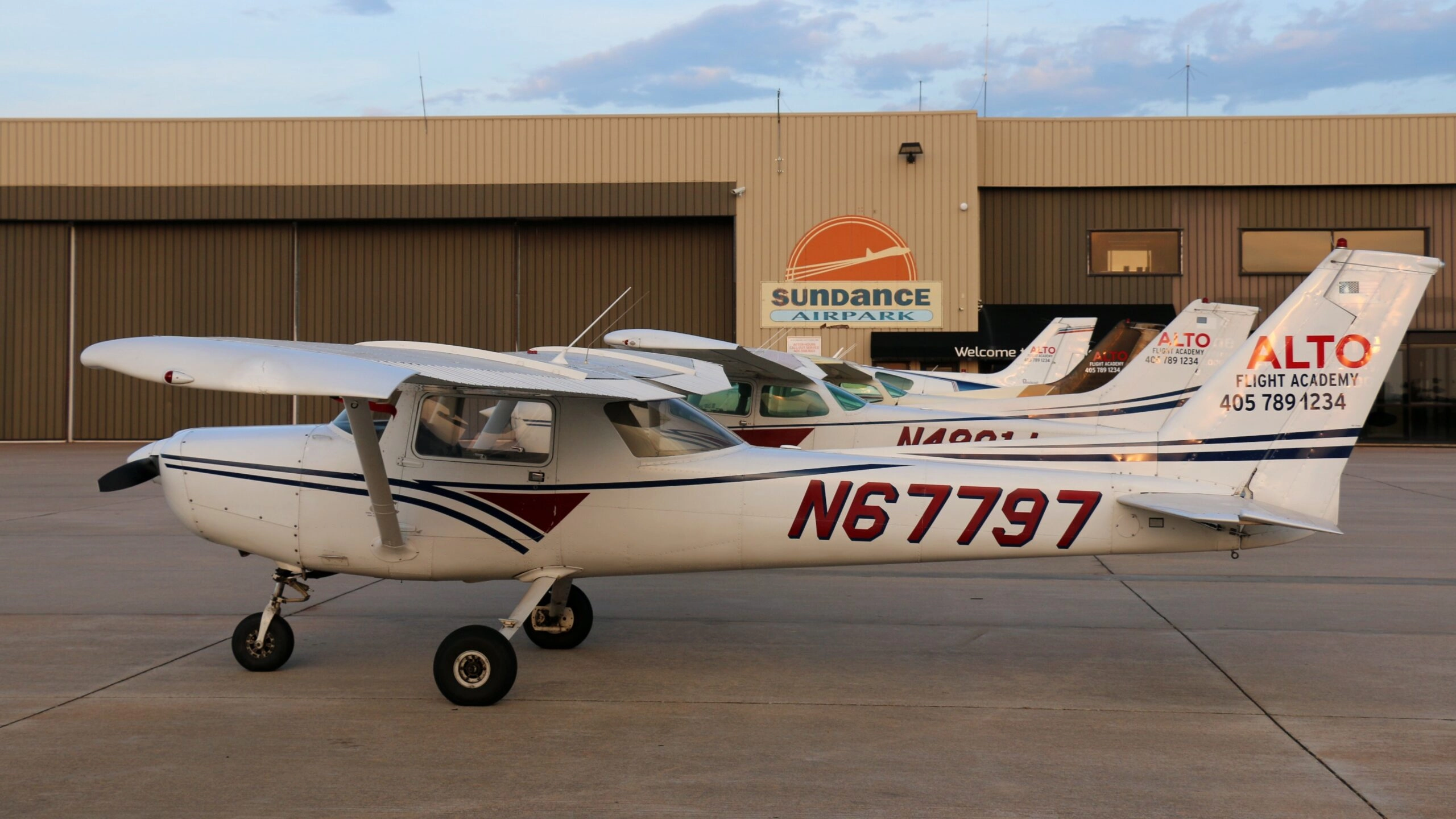
Alto trains at Sundance Airport (KHSD) in Yukon, near Oklahoma City. For early lessons, the airport environment matters more than most students expect.
You need room to learn. Preflight habits, taxi, communication, takeoff, basic maneuvers, landing. You need those reps to be focused. A general aviation airport gives you that.
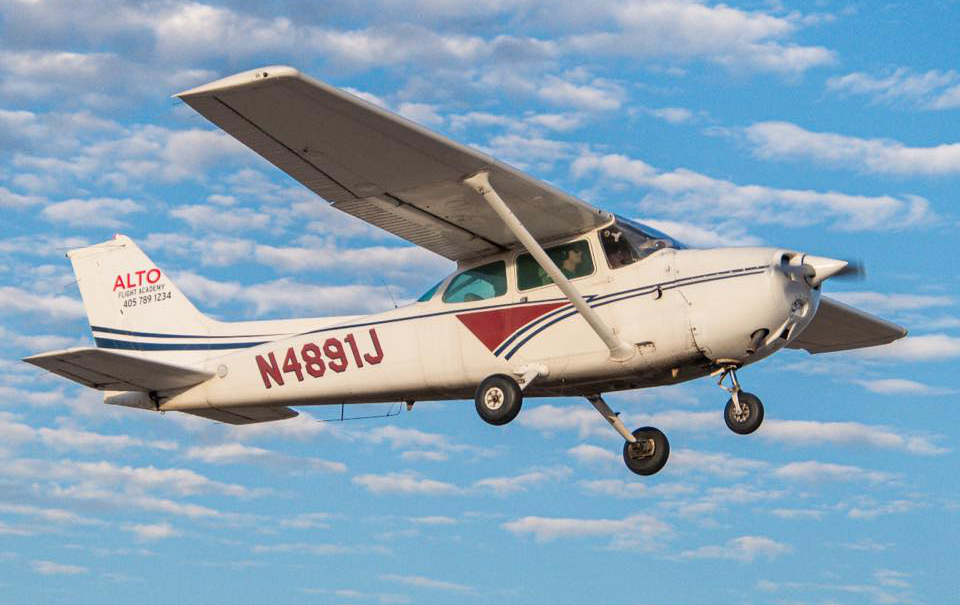
As you progress, I’ll add more complex airspace, radio work, and navigation into the plan, on purpose, when you’re ready for it. But your first lesson shouldn’t be a crash course in commercial airport procedures. It should be about flying.
How Flight Lessons and Ground School Work Together
Flying teaches your hands, eyes, and judgment. Ground school teaches the knowledge behind it.
For Private Pilot students, ground school covers weather, airspace, navigation, aircraft systems, performance, and FAA rules. If you skip that side of training, your lessons in the airplane will take longer and cost more. When you understand why a maneuver matters, you improve faster.
That doesn’t mean you need to finish all ground school before flying. Most students run both at the same time. The key is having a plan.
Alto offers both Private Pilot flight training and Private Pilot ground school, so we can talk through how to sequence them around your schedule.
What You Should Know Before You Leave That First Lesson
After the flight, the conversation that matters is the next one. Before you walk out, you should know whether the next step is:
- Schedule another lesson.
- Start ground school.
- Talk to an Aviation Medical Examiner.
- Review current costs and aircraft rates.
- Build a weekly training rhythm.
- Bring a spouse, parent, or decision-maker to visit.
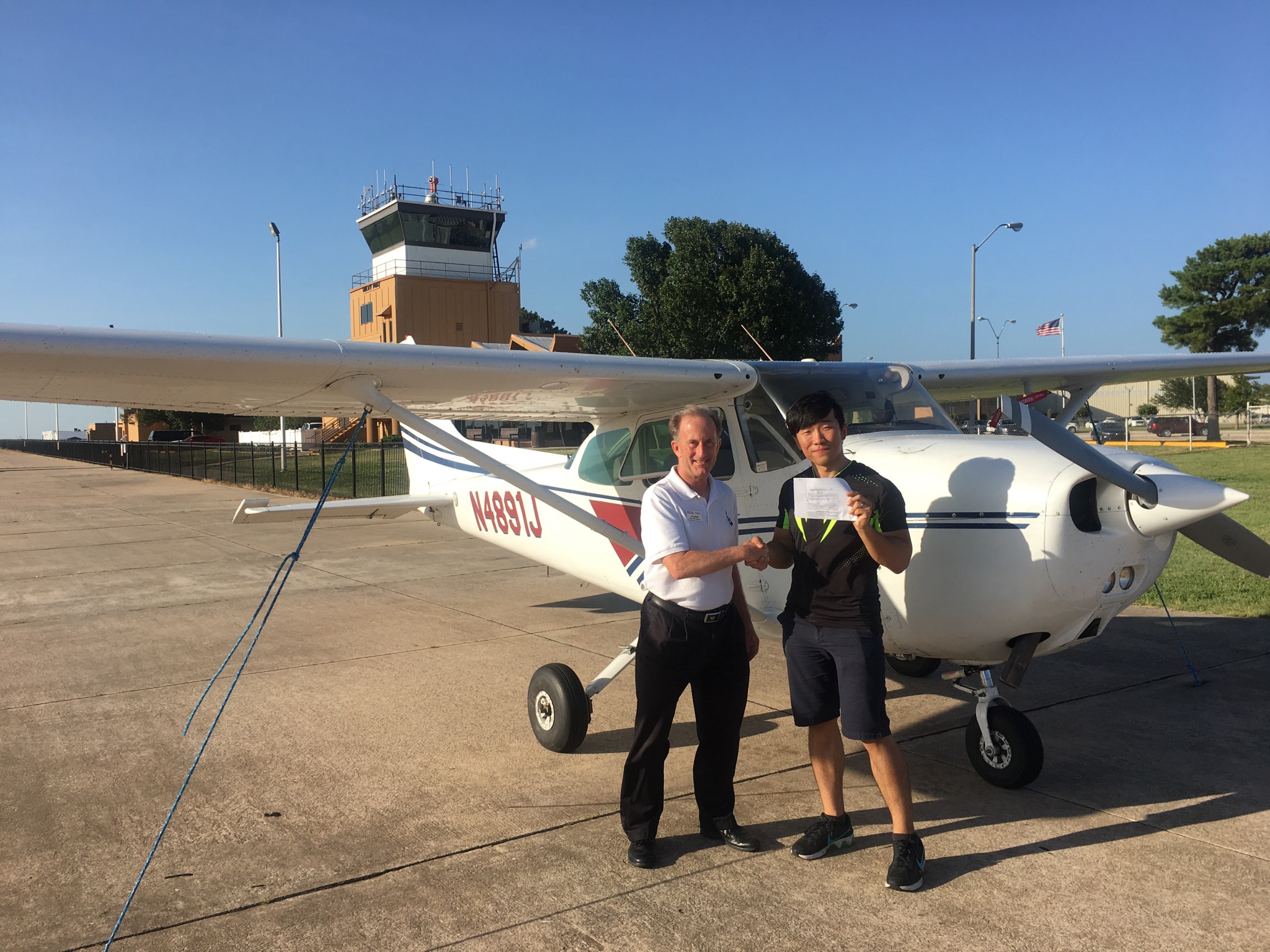
If you leave a first lesson without knowing what comes next, that’s the school’s fault, not yours. A good intro flight lowers confusion. It doesn’t create more of it.
The Right Way to Start Flight Lessons in OKC
Don’t start by buying a headset. Don’t start by memorizing the FAA regulations. Don’t start by comparing every school’s advertised price without knowing what’s included.
Start by seeing the training environment and asking honest questions.
Read the Flight School OKC FAQ if you want more direct answers before you schedule. Then book an intro flight when you’re ready to stop thinking about it and start doing it.