What Happens After Your Discovery Flight?
Published by:
Hal Harris
Published on:
Updated on:
Read time:
7 min read
What Happens After Your Discovery Flight?
A discovery flight is often someone’s first time flying a small aircraft. It gives you a hands-on introduction to aviation and helps you decide whether pilot training is the right path. After landing, many people start asking bigger questions about training, scheduling, and even how long does it take to become a pilot in Oklahoma.
At Alto Flight Academy, located near Oklahoma City at Sundance Airport in Yukon, instructors take time after every discovery flight to explain what comes next. The goal is to help future students make informed, safety-focused decisions rather than rushing into training.
Understanding the next steps also helps answer a common question many visitors ask: what does the student pilot training timeline actually look like, and how do you move from an introductory flight to earning your pilot certificate?
Reviewing the Experience With Your Instructor
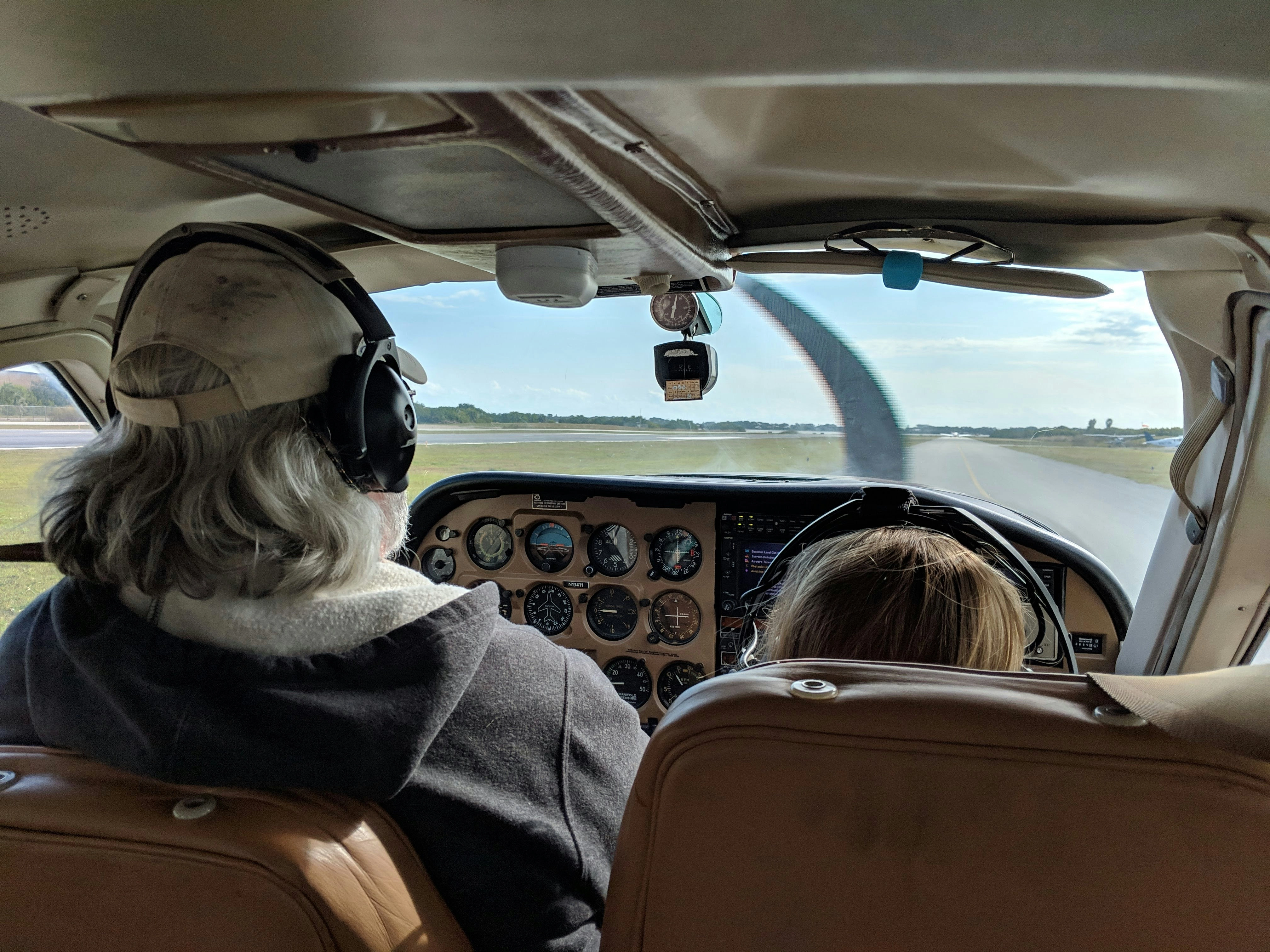
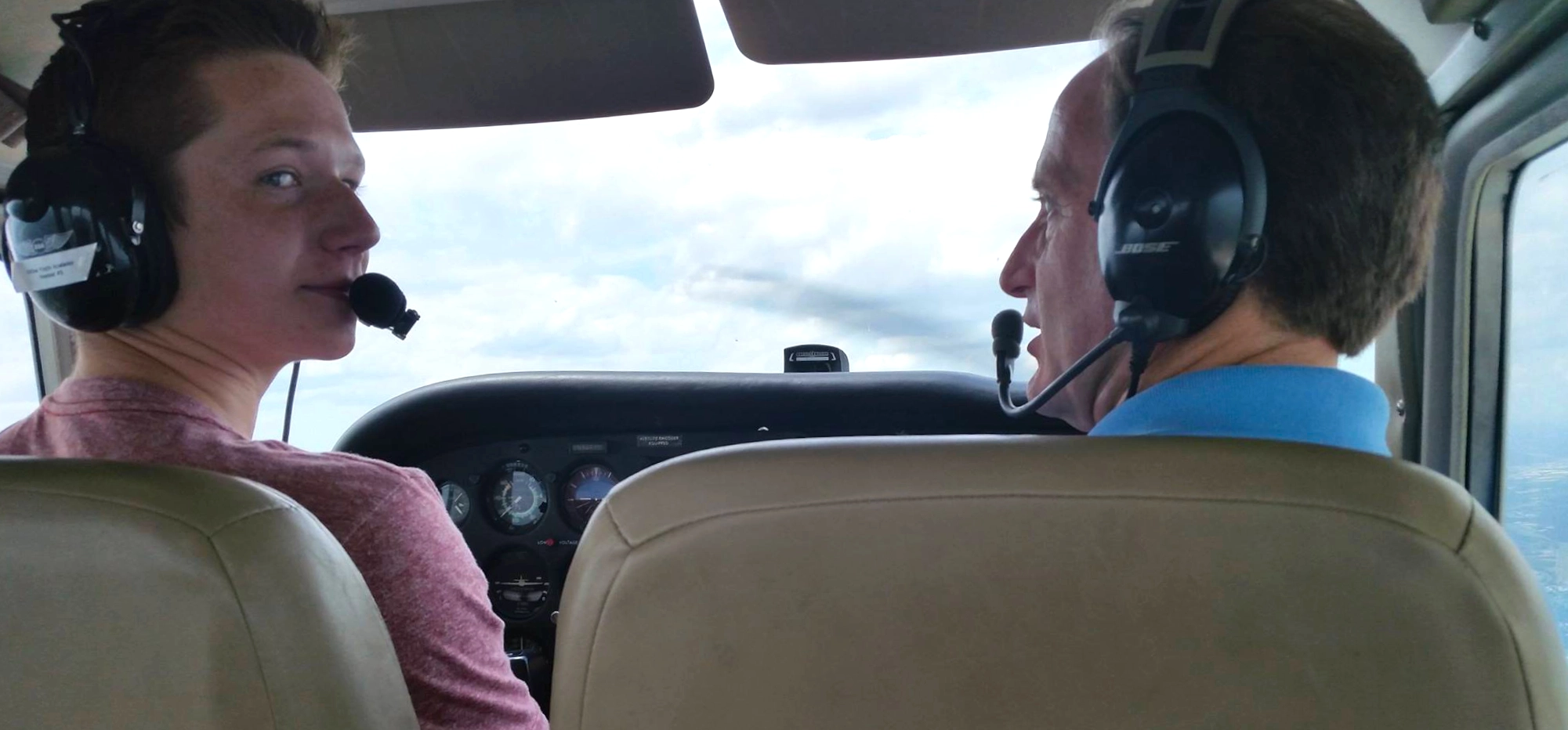
After your discovery flight Oklahoma City experience, your instructor will sit down with you to review how the flight went. This conversation is important because it helps you understand both your strengths and the skills you will build next.
You may discuss:
- What parts of flying you enjoyed most
- Areas that felt challenging or unfamiliar
- What regular flight training sessions look like
- How often you would need to train
- Possible career or recreational flying goals
There is no pressure to enroll immediately. Many students take time to think, talk with family, or evaluate scheduling and budget considerations before committing.
Your instructor may also explain how flight training Oklahoma City works year-round, including how weather, daylight hours, and seasonal winds affect scheduling. Understanding these factors early helps students set realistic expectations.
Understanding How Long It Takes to Become a Pilot
One of the most common questions after a discovery flight is, “How long does it take to become a pilot in Oklahoma?”
The answer depends largely on your schedule and consistency. Under FAA rules, students training for a private pilot license must complete:
- At least 40 flight hours minimum under Part 61 regulations
- Ground instruction and aeronautical knowledge training
- Solo flight time
- Cross-country flight experience
- Written knowledge exam
- Practical flight test with an FAA examiner
However, most students nationwide complete training between 55 and 70 flight hours, depending on training frequency and learning pace.
A typical Oklahoma City student training scenario looks like this:
- Flying 2–3 times per week
- Completing ground study between lessons
- Training consistently without long gaps
Students who follow this schedule often complete private pilot training in 4 to 8 months. Students flying less frequently may take longer.
This is why Alto Flight Academy emphasizes flexible scheduling and personalized pacing. Students progress safely and efficiently instead of rushing or repeating lessons due to long breaks.
Starting Structured Flight Training
If you decide to continue after your intro flight, the next step is enrolling in structured flight school Oklahoma training.
This includes:
- Setting personal flying goals
- Creating a training schedule
- Beginning flight and ground instruction
- Preparing for FAA written and practical exams
Your first lessons focus on fundamentals, including:
- Aircraft control
- Takeoffs and landings
- Traffic pattern operations
- Radio communication
- Safety procedures
- Airport operations around Oklahoma City airspace
Training occurs under Part 61 training, which allows instructors to tailor lesson pacing to each student. This flexibility helps students balance work, school, and family commitments while maintaining safe training progress.
Students who want to understand the full certification path can review Alto’s private pilot training program to see what milestones lie ahead.
Building Skills Step by Step
Flight training always progresses gradually. Students first learn aircraft control, then navigation, weather planning, emergency procedures, and decision-making skills.
Each lesson builds on the previous one. Instructors ensure students meet safety standards before advancing.
A typical training progression includes:
- Basic flight maneuvers
- Solo flight preparation
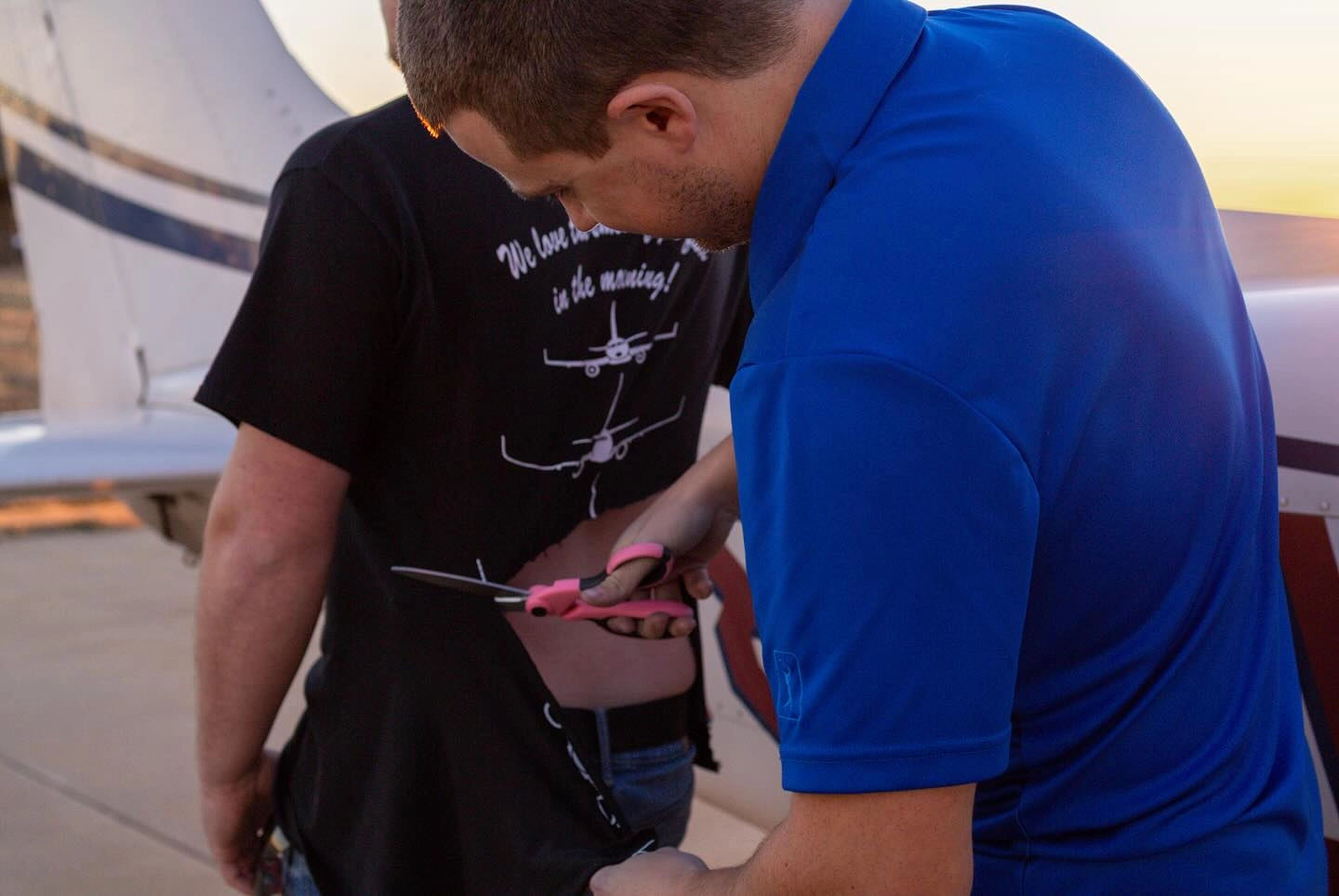
- First solo flight
- Cross-country navigation flights
- Night flight training
- Checkride preparation
At Alto Flight Academy, instructors emphasize confidence and consistency rather than speed. Students move forward when they are ready, which improves long-term safety and retention.
Students planning professional aviation careers may later pursue:
- Instrument rating training
- Commercial pilot certification
- Flight instructor certification
- Airline Transport Pilot training
But every journey begins with safe private pilot training.
Common Questions Students Ask After a Discovery Flight
Many visitors leave their first flight excited but still uncertain about logistics. Here are common questions students ask next.
How Often Should I Train?
Consistency is the biggest factor in progress. Training two or three times per week helps students retain skills and reduces repeat lessons.
Flying only once every few weeks often slows progress and increases overall cost.
What About Oklahoma Weather?
Oklahoma weather can include wind, storms, and seasonal temperature changes. However, training continues year-round.
Weather delays are also valuable learning experiences. Students learn to evaluate conditions and make safe go or no-go decisions, a skill every pilot needs.
How Do I Plan Training Costs and Timeline?
This is where structured planning helps. Alto Flight Academy provides guidance on expected training steps and budgeting strategies so students avoid surprises.
Students can also use the Pilot Training Timeline Planner, which helps organize:
- Training milestones
- Expected lesson frequency
- Study schedules
- Budget planning
- Certification goals
This planner helps students visualize how long does it take to become a pilot in Oklahoma based on their available time.
Practical Steps You Can Take Now
If your discovery flight left you interested but unsure what to do next, consider these steps:
- Schedule another lesson to reinforce your experience.
- Review training requirements and timelines.
- Download the Pilot Training Timeline Planner.
- Talk with instructors about scheduling options.
- Visit the school again to observe training operations.
You can also reach out through Alto Flight Academy’s contact page to discuss your goals and ask questions about training paths.
Many students find clarity after just one or two additional flights.
Connecting Discovery Flights to Long-Term Goals
A discovery flight is not a commitment. It is simply an introduction.
Some students fly recreationally. Others pursue professional careers. Many begin training while keeping full-time jobs or attending college.
What matters most is choosing a flight school that supports safe learning and flexible scheduling.
Alto Flight Academy supports students by providing:
- FAA-certified instructors
- A well-maintained training fleet
- Flexible scheduling
- Personalized lesson pacing
- Safety-first instruction culture
Students considering aviation careers may also explore Alto’s guide on why becoming a pilot to understand long-term opportunities.
Conclusion
Your discovery flight marks the beginning of your aviation journey, not a binding decision. What comes next depends entirely on your goals, schedule, and readiness to continue.
For those asking how long does it take to become a pilot in Oklahoma, the answer depends on consistency, planning, and choosing the right training environment.
Alto Flight Academy helps students transition from discovery flights to structured flight training with clear guidance, personalized scheduling, and strong safety standards. Tools like the Pilot Training Timeline Planner help students estimate timelines and organize their path forward.
If you are ready to explore your next step, scheduling another lesson or speaking with an instructor is a great way to move forward. You can also book your next introductory flight or contact Alto Flight Academy to start building your training plan today.
The journey begins with one decision, and Alto Flight Academy is ready to help you take the next step safely and confidently.