2026 Multi-Engine Flight Training Oklahoma City Guide

Published by:
Hal Harris
Published on:
Updated on:
Read time:
10 min read
If you are comparing multi-engine flight training in Oklahoma City for 2026, the real question is timing. Multi-engine training makes the most sense when your goals start pointing toward aircraft with more than one engine. For many career-track pilots, that moment comes around the commercial stage, after private pilot and instrument training are already planned or complete.
But it is not a rating every pilot should chase right away. A multi-engine rating is usually a class rating added to your pilot certificate. It matters when you plan to fly multiengine aircraft or build toward many airline, corporate, charter, and advanced commercial paths.
The right timing depends on your goals, current certificate and ratings, total time, budget, aircraft access, instructor guidance, and checkride scheduling. This Oklahoma City guide explains when multi-engine training becomes valuable, who actually needs it, how it fits the airline pilot career path, and what to ask before you enroll.
If you are still comparing schools, use the companion guide on multi-engine flight schools before you choose a program.
What a Multi-Engine Rating Actually Adds
A multi-engine rating is not a separate pilot certificate. It is a rating added to your existing pilot certificate, such as private pilot or commercial pilot.
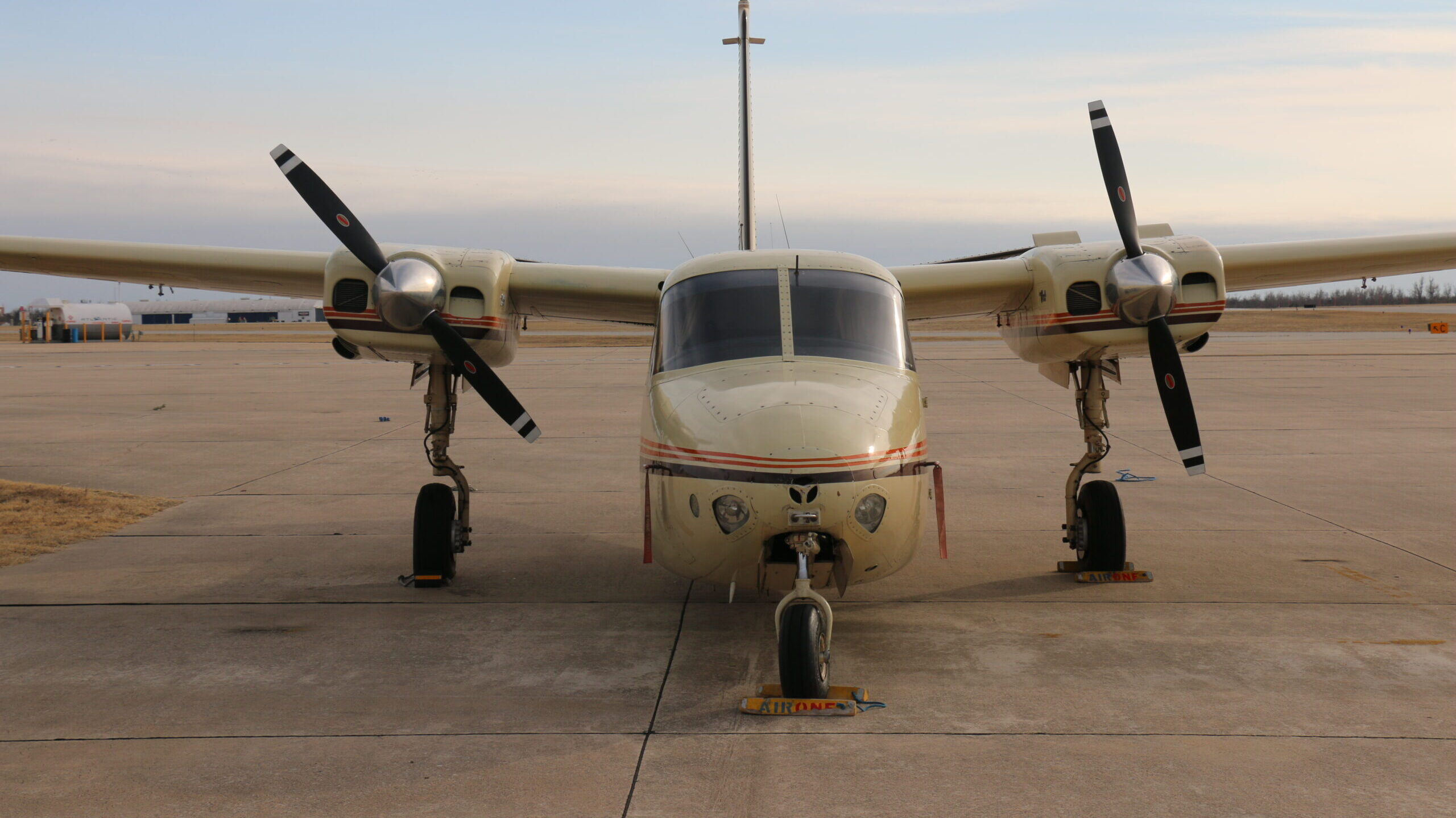
The training changes the way you think about aircraft performance. In a single-engine airplane, engine failure is serious, but the airplane has one thrust source to manage. In a multiengine airplane, you must understand what happens when one engine keeps producing thrust and the other does not.
That is why multi-engine training introduces:
- Asymmetric thrust
- Engine-out procedures
- Vmc awareness
- Multiengine performance and limitations
- More complex aircraft systems
- Faster decision-making during abnormal situations
- Better planning around aircraft weight, balance, and performance
In plain English, you are learning how to manage a more complex airplane without letting workload get ahead of you.
Who Actually Needs Multi-Engine Training in Oklahoma City?
Some pilots do not need a multi-engine rating. If your goal is weekend flying in single-engine aircraft, you may not need it at all.
Multi-engine training becomes more important when your goal involves aircraft with more than one engine or a career path where multiengine experience is relevant.
| Pilot goal | Does multi-engine training matter? | Why |
|---|---|---|
| Recreational single-engine flying | Usually not right away | Your flying may stay within single-engine privileges and aircraft. |
| Instrument-rated personal flying | Maybe later | It depends on whether you plan to fly or own multiengine aircraft. |
| Commercial pilot progression | Often yes | Many professional paths value or require multiengine aircraft experience. |
| Corporate or charter goals | Often yes | Many of those aircraft and operations involve multiengine airplanes. |
| Airline-track goals | Often yes | Multi-engine experience is relevant to many airline-track pathways, but hiring standards are separate from FAA certification. |
| Flight instruction path | It depends | A CFI path may come first, but later MEI goals can make multiengine experience useful. |
The key question is not “Do serious pilots need this?” The better question is, “Will your next career step require you to fly, understand, or qualify in multiengine aircraft?”
Where Multi-Engine Fits in the Oklahoma City Career Path
Many career-track pilots follow a sequence like this:
| Stage | What it does | Why it matters before multi-engine |
|---|---|---|
| Private pilot certificate | Builds the foundation for aircraft control, navigation, and decision-making | You need basic pilot skills before adding complexity. |
| Instrument rating | Builds IFR procedures, weather judgment, and precision | Many career paths expect strong instrument skills. |
| Commercial pilot certificate | Moves the pilot toward compensated flying privileges | This is often when students start planning advanced ratings. |
| Multi-engine rating | Adds multiengine aircraft privileges and training | Useful for many airline, corporate, charter, and advanced commercial goals. |
| Flight instructor certificates | Common hour-building path after commercial certification | Instruction is common, but CFI employment is not automatic. |
| ATP eligibility | Later airline-track milestone | ATP and airline hiring are separate from simply earning a multi-engine rating. |
This is a common pathway, not a rule for every pilot. Some pilots add multi-engine as a private pilot. Some plan it near the commercial stage. Others wait until a job, aircraft purchase, or training opportunity makes it necessary.
For many Oklahoma City-area career-track students, the practical time to start the conversation is during commercial pilot planning. By then, you can look at your total time, instrument proficiency, commercial goals, budget, and schedule with an instructor instead of guessing.
Multi-Engine and the Airline Pilot Career Path from Oklahoma City
A multi-engine rating can support an airline-track plan, but it does not guarantee an airline job.
That distinction matters.
FAA certification milestones and airline hiring standards are separate. A pilot may need certificates, ratings, flight time, medical qualification, tests, interviews, company training, background checks, and employer-specific standards. A multi-engine rating is one piece of the larger path.
Many pilots use 1,500 hours as shorthand for standard ATP eligibility, but exact ATP and restricted ATP requirements include more than total time. They can include age, training, tests, category, class, cross-country time, night time, instrument time, and other experience details. For official rules, use current FAA and regulation sources such as 14 CFR Part 61.
So the honest way to think about multi-engine training is this: it can help you build toward the aircraft and qualifications common in professional aviation, but it is not a shortcut around the rest of the career path.
When Should You Start Multi-Engine Training in 2026?
You are probably ready to discuss multi-engine training when at least three things are true.
First, your goal requires it or is clearly moving toward it. If you want to fly multiengine aircraft, pursue many airline-track paths, or prepare for corporate or charter opportunities, the rating may belong in your plan.
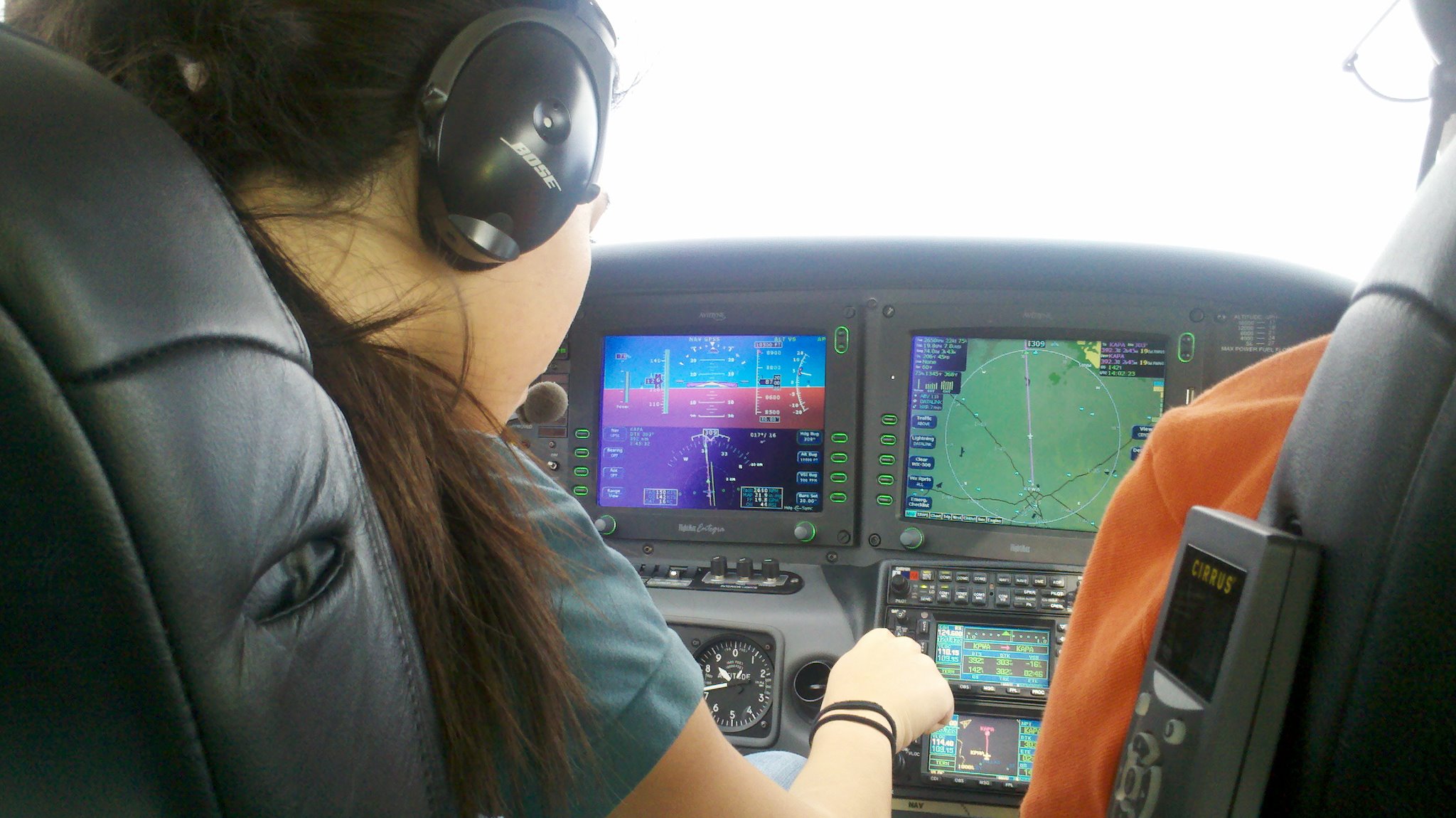
Second, your fundamentals are strong enough to carry extra workload. Multi-engine training is not the place to fix weak aircraft control, weak radio habits, or poor checklist discipline. The airplane moves faster, systems matter more, and decisions can stack up quickly.
Third, you understand the cost and schedule. Multi-engine aircraft usually cost more to operate than primary trainers. You should know the current aircraft rate, instructor rate, ground instruction expectations, checkride plan, examiner fee, and likely extra proficiency time before you commit.
Use this decision table:
| If this describes you | What to do next |
|---|---|
| You are still early in private pilot training | Focus on private pilot fundamentals first. |
| You just earned private pilot and want better weather skills | Consider instrument training before multi-engine. |
| You are planning commercial pilot training | Ask where multi-engine fits in your commercial and career sequence. |
| You are close to commercial checkride prep | Ask whether a commercial multi-engine path or add-on makes sense for your goals. |
| You want airline, corporate, or charter options | Start planning multi-engine timing, cost, and aircraft access with an instructor. |
| You only plan to fly single-engine recreationally | Multi-engine may not be a priority. |
What Training Timeline Should Oklahoma City Students Expect?
Do not treat any fixed number of days, weeks, or hours as a promise.
Multi-engine training timelines vary by:
- Your current certificate level
- Your total experience
- Your instrument proficiency
- Lesson frequency
- Aircraft availability
- Instructor availability
- Weather
- Checkride scheduling
- How quickly you adapt to multiengine procedures
Some pilots plan multi-engine as a focused rating course, but your actual training time depends on proficiency, consistency, aircraft availability, weather, and checkride timing. The safer move is to ask for a current estimate based on your certificate level, proficiency, and checkride plan.
The goal is not to rush into the checkride. The goal is to build the judgment and control needed to manage a multiengine airplane when everything is normal and when something changes.
2026 Cost Expectations: What to Ask Before You Budget
Multi-engine training cost should not be calculated by multiplying one aircraft rate by one assumed number of hours.
That leaves out too much.
Ask for an estimate that separates:
- Aircraft rental
- Instructor time
- Ground instruction
- Materials or study resources
- Checkride aircraft time
- Examiner fee
- Extra proficiency time
- Retest costs, if needed
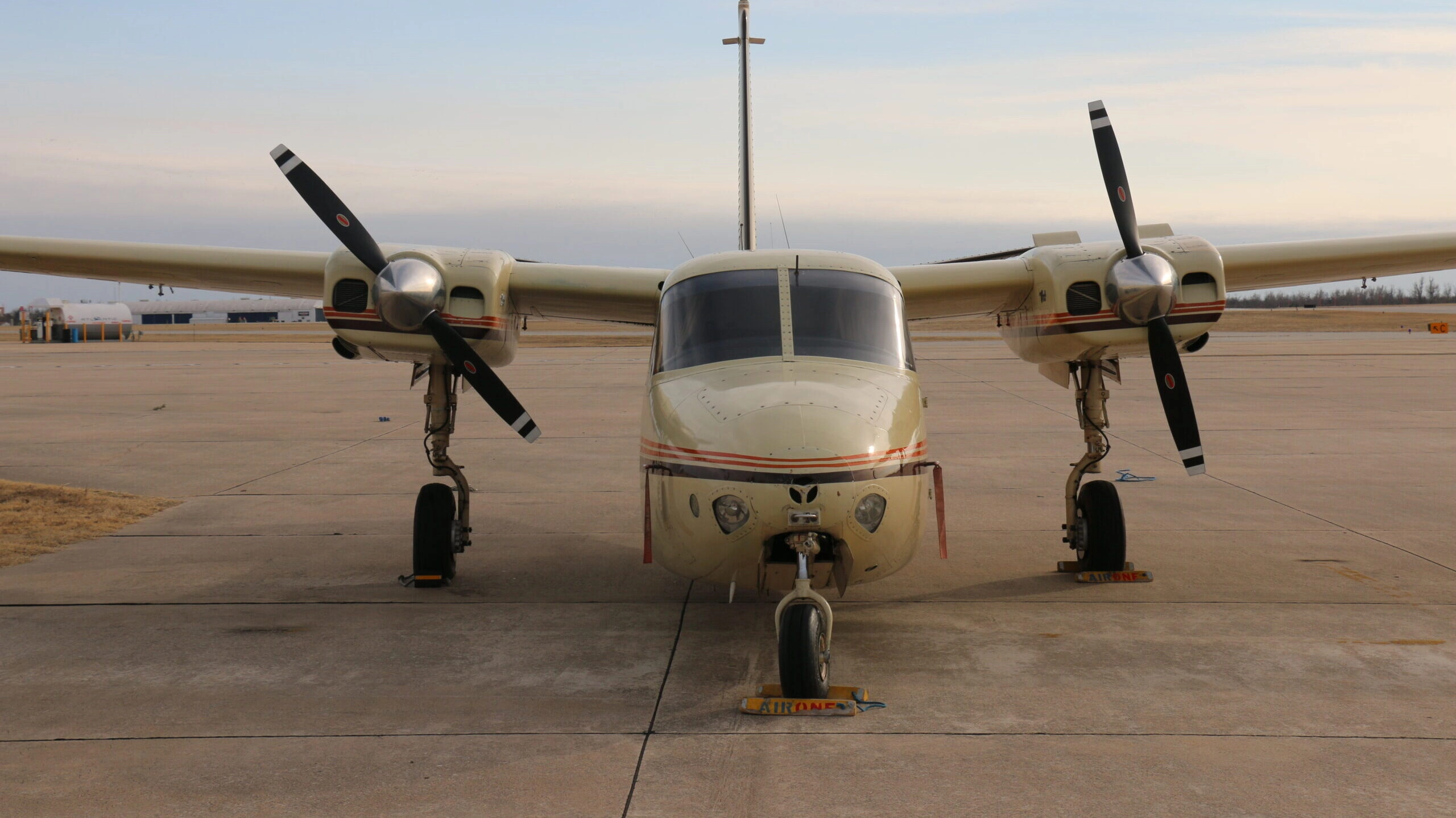
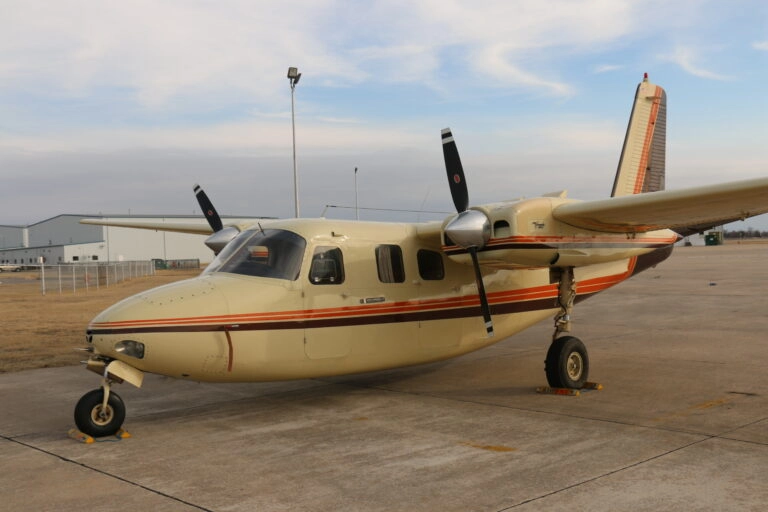
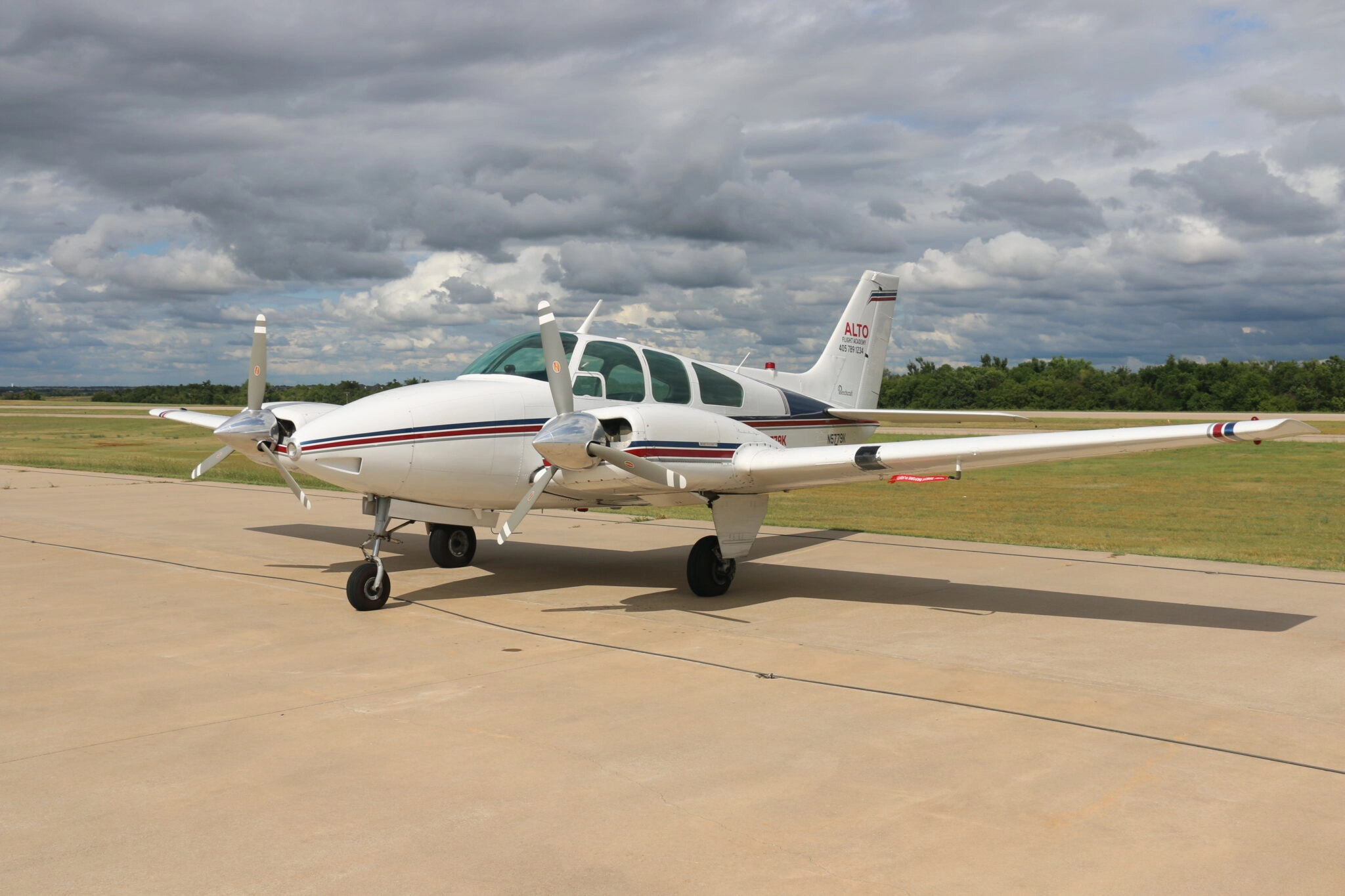
Our fleet includes a Beech Baron for multi-engine training. Contact Alto to confirm the current rate, aircraft configuration, and aircraft availability before using that number for budgeting.
That conversation matters because a multi-engine rating is a serious investment. You want to know what is included, what is not included, and what could change the final number.
The multi-engine rating training FAQ covers the common cost, timing, aircraft, and career-fit questions students should review before they enroll.
Why Oklahoma City Pilots Should Plan the Sequence Early
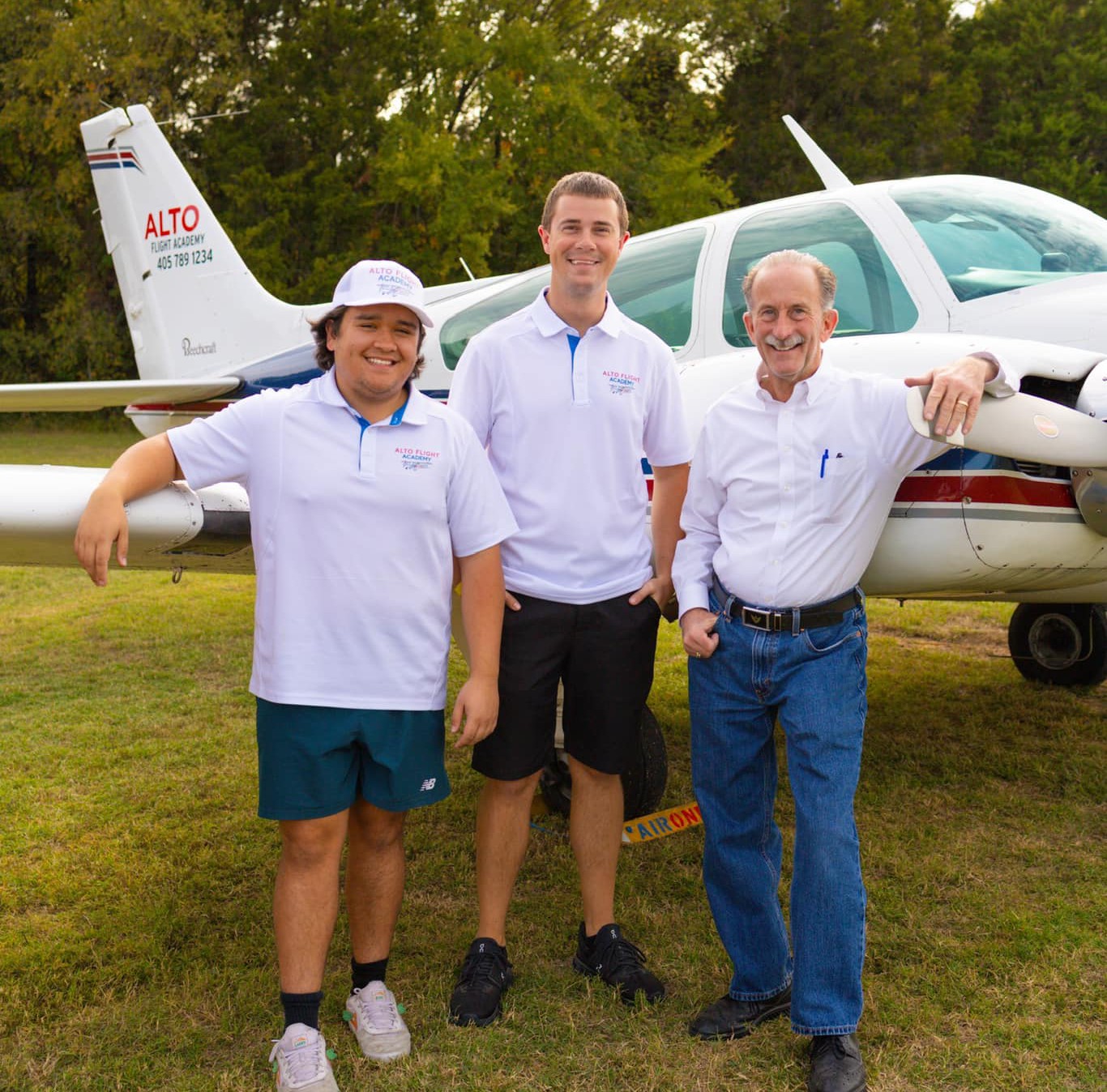
Alto Flight Academy is based at Sundance Airport (KHSD) in Yukon, Oklahoma, serving the Oklahoma City area. The school offers training paths from Private Pilot through advanced ratings and ATP-related training, including Multi-Engine Rating Flight Training.
That matters because multi-engine timing is not a standalone decision. It connects to your Instrument Rating, Commercial Pilot Training, Flight Instructor Training, and longer career path.
If your goal is professional flying, ask about the whole sequence:
- What should you finish before multi-engine training?
- Should multi-engine be part of commercial planning or an add-on after?
- How much instrument proficiency should you have first?
- What aircraft is currently used?
- What is the current rate?
- How often should you train to keep momentum?
- What costs are outside the aircraft hourly rate?
- What happens if weather or checkride scheduling stretches the plan?
Those questions protect your budget and your timeline better than asking for a generic “how long does it take?”
FAQ
Is multi-engine a certificate or a rating?
Multi-engine is usually a class rating added to a pilot certificate. Use “add a multi-engine rating to your pilot certificate,” and avoid calling it a separate license.
Do airline pilots need multi-engine training?
Multi-engine experience is relevant to many airline-track paths, but airline eligibility and airline hiring are separate milestones. A rating alone does not guarantee an airline job.
Should you get multi-engine before or after commercial?
It depends on your goals and training plan. Many students plan multi-engine around the commercial stage, but the certificate level and timing should be decided with an instructor based on your hours, proficiency, budget, and career goals.
How long does multi-engine training take?
Timeline varies by proficiency, lesson frequency, aircraft availability, instructor availability, weather, and checkride scheduling. Ask for a current estimate based on your situation instead of relying on a generic number.
How much does multi-engine training cost?
Total cost varies. Ask for a current estimate that separates aircraft rental, instructor time, ground instruction, study resources, checkride aircraft time, examiner fee, and extra proficiency time.
What does multi-engine training teach?
It teaches the pilot to manage multiengine aircraft systems and performance, including asymmetric thrust, engine-out procedures, Vmc awareness, and multiengine limitations.
Build the Next Step Around Your Goal
If your aviation goal points toward airline, corporate, charter, or advanced commercial flying, multi-engine training deserves a place in your plan. The question is timing.
Bring your current certificate, ratings, total time, budget, and career goal to the conversation. Alto Flight Academy can help you look at where multi-engine fits in your Oklahoma City training path at Sundance Airport.
Start with the Multi-Engine Rating Training page or contact the Alto team to talk through your next step.