2026 Guide: How to Get a Private Pilot License in Oklahoma
Published by:
Hal Harris
Published on:
Updated on:
Read time:
8 min read
Almost everyone searches for a private pilot license in Oklahoma. The FAA calls it a private pilot certificate, but in everyday conversation, nobody says “I want my certificate.” You want to become a pilot.
That’s what this path is for. It teaches you how to control the aircraft, use the airport environment, navigate, communicate, manage risk, and pass an FAA practical test that proves you’re ready to fly without an instructor in the seat beside you.
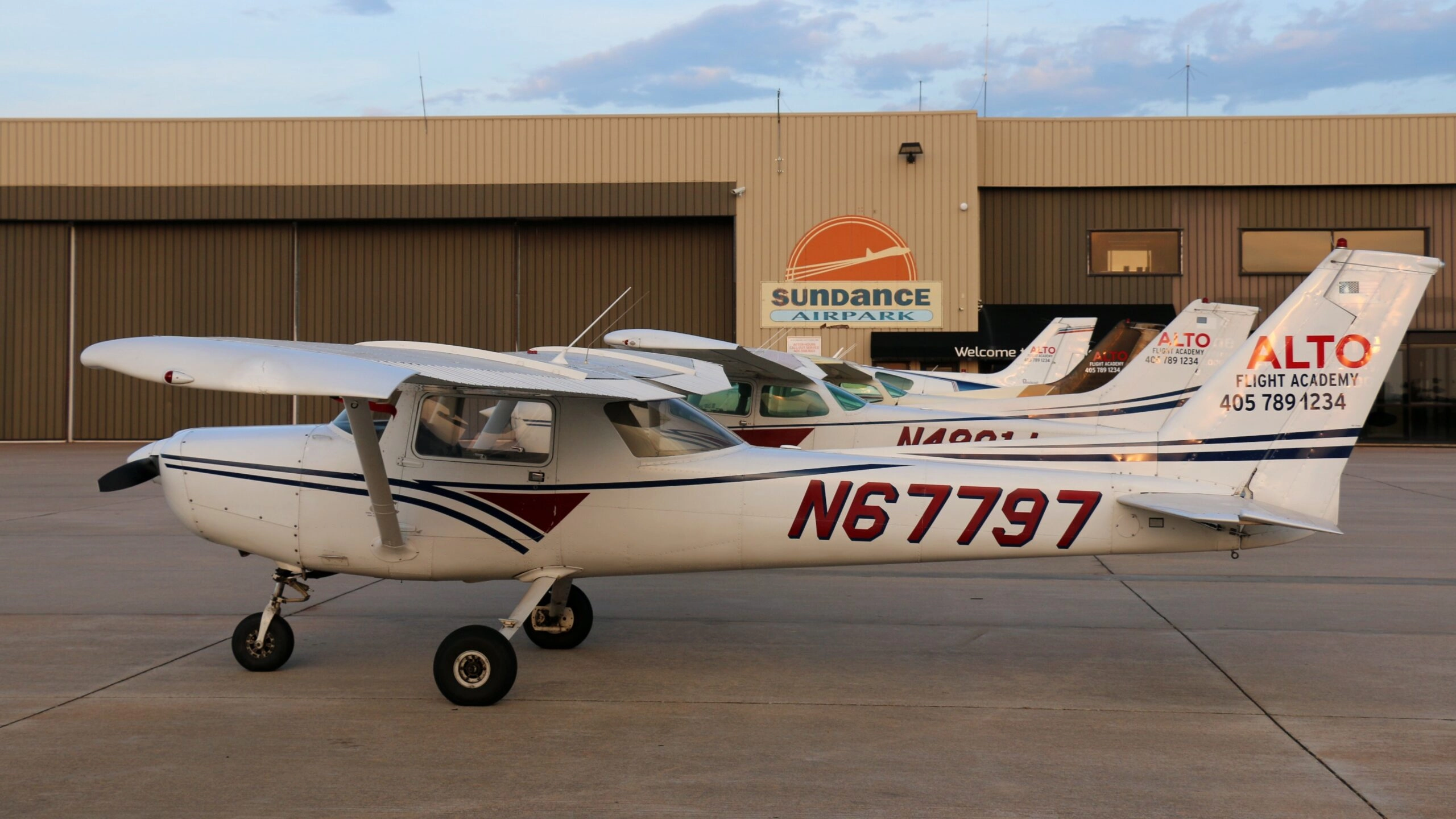
At Alto Flight Academy, students train near Oklahoma City at Sundance Airport in Yukon. We’ve been doing this since 1995, and the path looks the same now as it always has: clear, honest, and built one lesson at a time.
Step 1: Take an Intro Flight Before You Commit to Anything
The first step is not signing up for a full program. It’s getting in the airplane and finding out whether this is actually for you.
An intro flight gives you a real look at training. You sit in the cockpit with an instructor, take the controls, see Sundance Airport from the air, and have a direct conversation afterward about what the path would look like for your schedule and goals.
You can ask:
- Does the cockpit feel right?
- Do I connect with this instructor?
- Can they explain the path in plain language?
- How often would I need to fly?
- What should I study first?
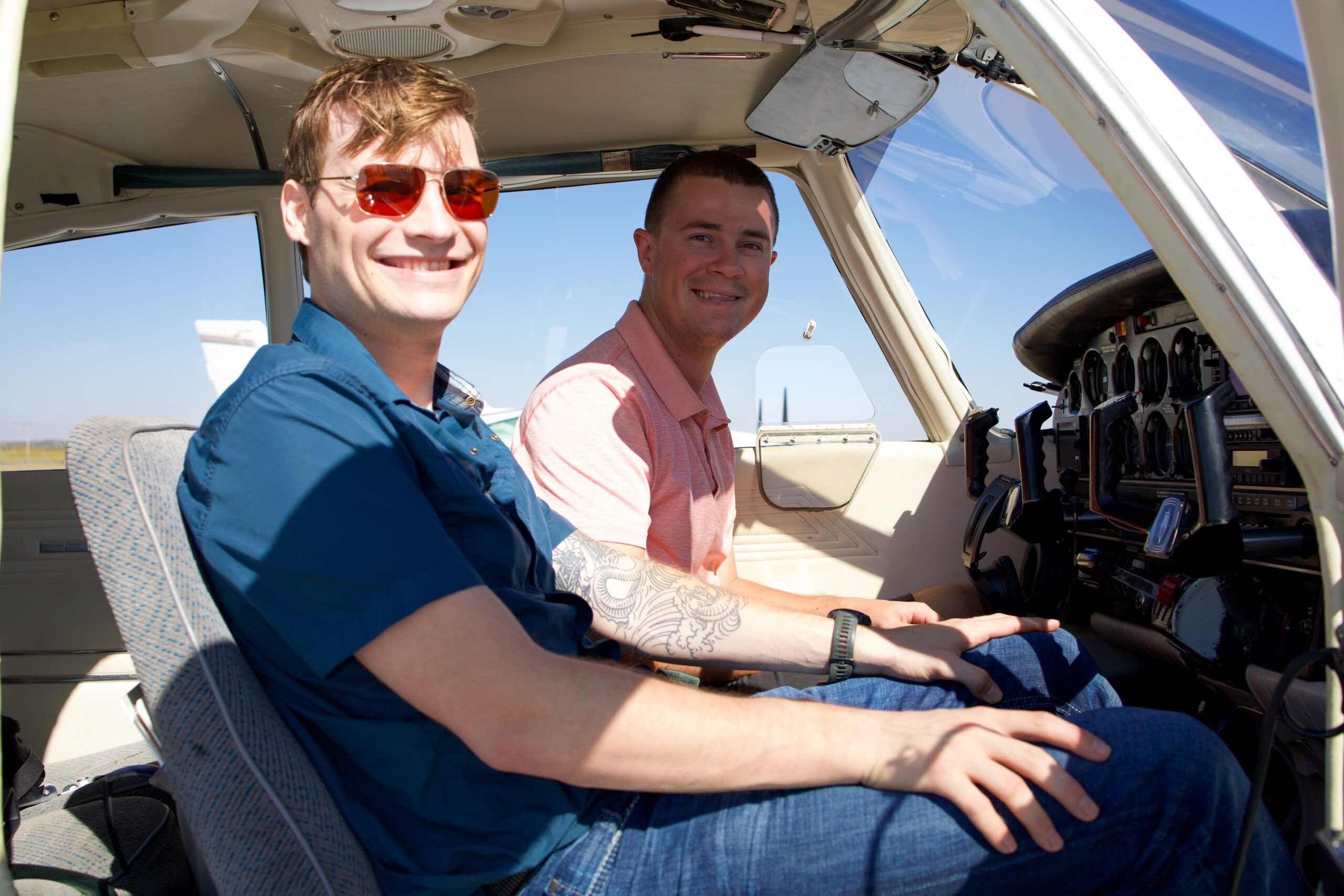
If you’re still comparing schools, read the Private Pilot License Oklahoma FAQ before you schedule. It answers the most common questions about medical timing, aircraft, ground school, and the first step.
Step 2: Understand What You’re Actually Earning
PPL is a nickname. “Private pilot license” is how most people search online. The FAA credential is a private pilot certificate.
That certificate lets you fly under noncommercial private pilot privileges, subject to your aircraft rating, endorsements, operating rules, and medical qualification. It is not a commercial job credential. If flying for pay is your goal, you’ll need more training after this: a Commercial Pilot certificate and the hours to go with it.
A good school will be straight with you about what each certificate does and doesn’t do. We are.
Step 3: Start Ground School Early. Don’t Wait Until You’re Already Flying
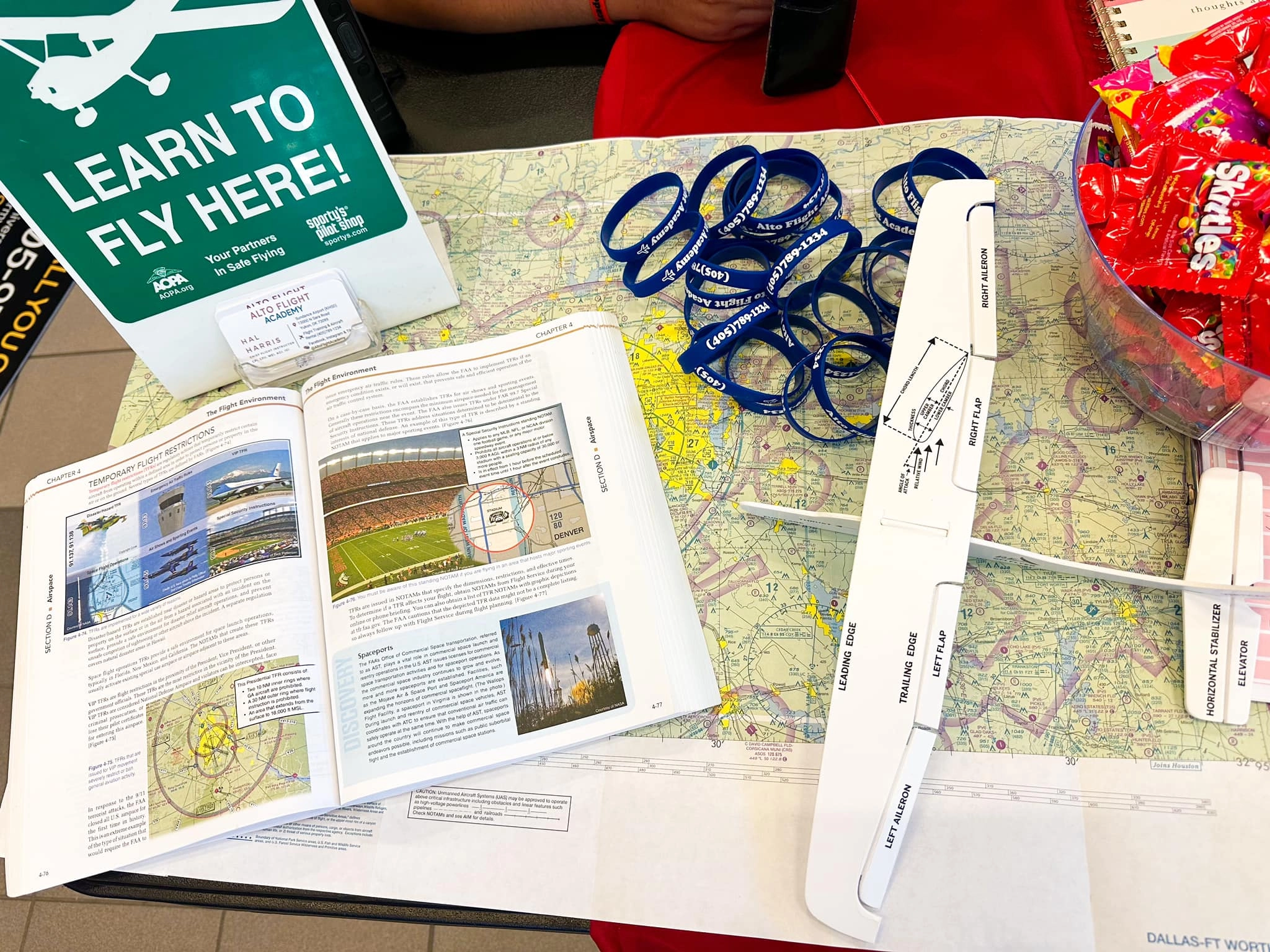
Ground school teaches the knowledge that supports everything you do in the airplane. Weather, airspace, aircraft systems, navigation, charts, performance, and FAA rules.
You can start flying before you’ve finished every ground topic. Plenty of students do. But here’s what I see when students skip ground school: they show up to lessons without the context they need, their airplane time is less productive, and they spend more money to get to the same place.
Study early. When you know why a maneuver matters before you get in the aircraft, you improve faster.
Alto offers Private Pilot ground school. Ask how to sequence it with your flight lessons around your real schedule.
Step 4: Handle Medical and Student Pilot Certificate Timing
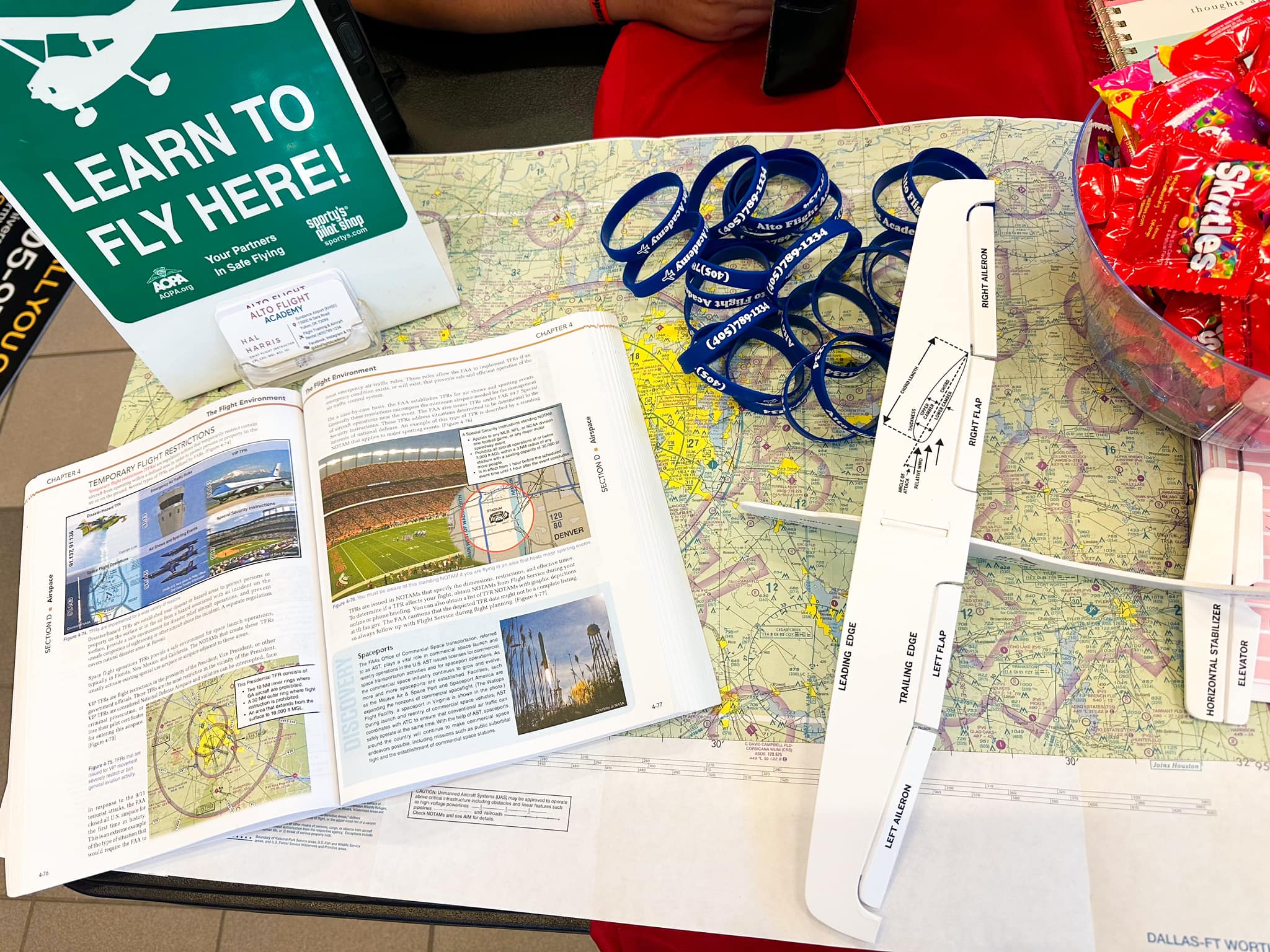
You don’t need a student pilot certificate just to take lessons with an instructor. You also don’t need a medical certificate just to take lessons with an instructor.
Before solo, both of those matter. Most airplane students should address medical certification early, before they spend heavily on training, so there are no surprises when it’s time to fly alone. If you have any medical concern, talk to an Aviation Medical Examiner. Don’t rely on a guess from a forum or a friend.
Your instructor will walk you through when the student pilot certificate fits into your training.
Step 5: Build the Core Flight Skills
Private Pilot flight training starts with the fundamentals:
- Preflight inspection
- Taxi and airport movement
- Takeoffs and climbs
- Straight-and-level flight
- Turns, descents, and slow flight
- Traffic pattern work
- Landings
- Emergency procedures
- Radio communication
At first, the goal is aircraft control and situational awareness. Later, I add more decision-making, navigation, cross-country planning, and the kind of judgment that an FAA examiner will be looking for on your checkride.
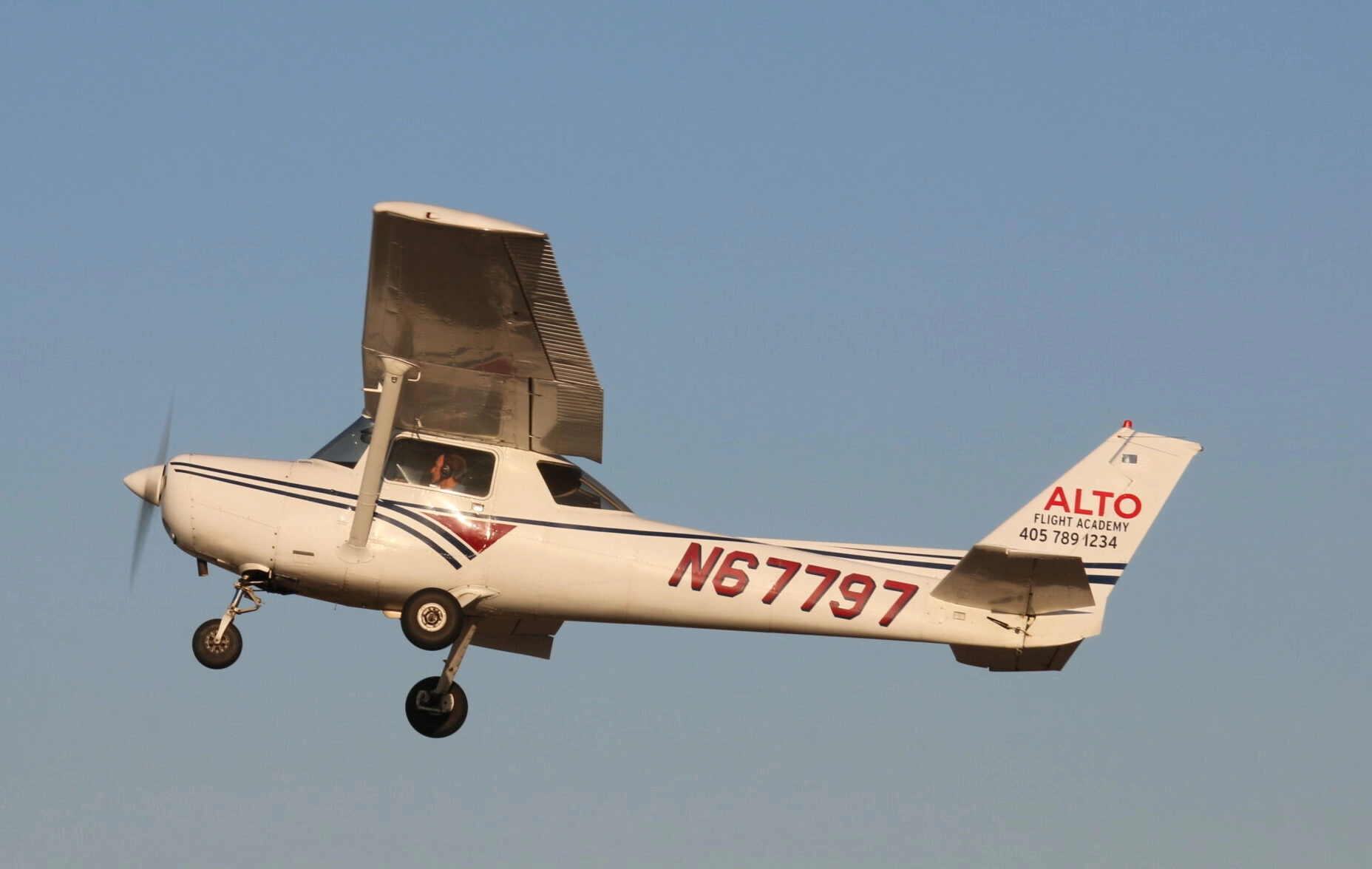
We use the Cessna 172 for primary training at Alto. It’s one of the most proven trainers in the world, and your instructor will walk you through what to expect from the aircraft before your first lesson.
Step 6: Prepare for Solo
Solo is the milestone every student remembers. But it doesn’t happen on a schedule. It happens when you’re ready.
That means more than landing once without making the instructor nervous. You need judgment, consistency, radio awareness, and the ability to handle normal training situations on your own. Your instructor won’t sign off until you have all of that, and when you do, you’ll know it.
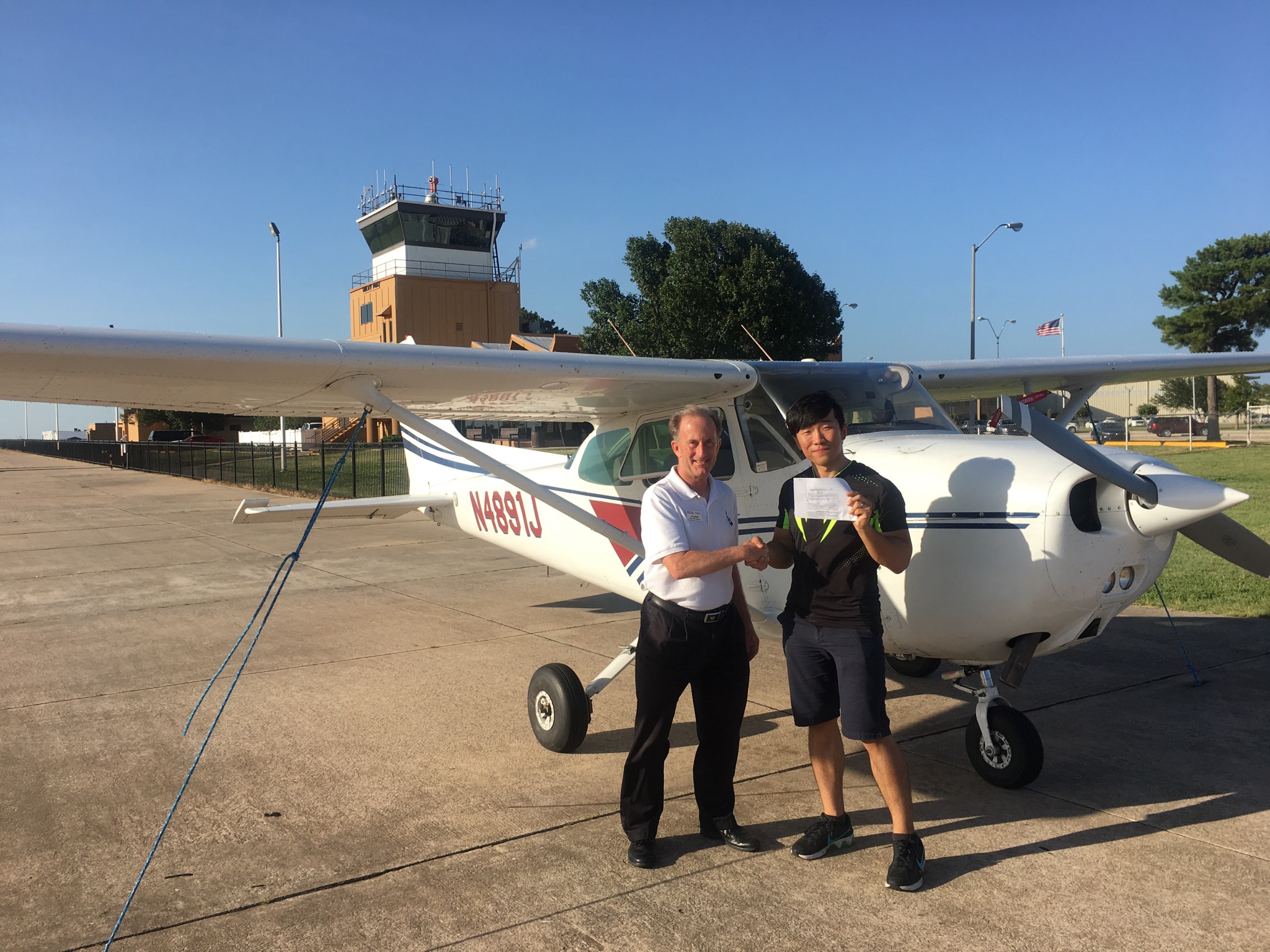
Step 7: Cross-Country Training and Checkride Prep
After solo, your training opens up. You start planning real flights away from Sundance Airport, using weather and navigation tools for decisions that matter. Your judgment gets tested, not just your stick-and-rudder skills.
The practical test, called the checkride, is the final step. You demonstrate knowledge on the ground and skill in the airplane to an FAA examiner. I’ll prepare you for every part of it. But I won’t promise a pass. No one can promise that. What I can promise is that when we decide you’re ready, you actually are.
How Long Does Private Pilot Training Take in Oklahoma?
It varies, and anyone who gives you a guaranteed timeline without knowing you is not being straight with you.
Your pace depends on:
- How often you fly
- Oklahoma weather
- Aircraft availability
- Study habits between lessons
- Skill retention
- Checkride scheduling
Consistent training makes the biggest difference. Fly often, study seriously, and stay in contact with your instructor between lessons.
How Much Does Private Pilot Training Cost?
Ask for a breakdown — not a single number. Real costs include aircraft time, instructor time, ground school, supplies, FAA test fees, medical exam, and checkride costs.
Any estimate that doesn’t separate those categories is hiding something. Come talk to us and we’ll give you a current, honest number.
Your Next Step
If you’re searching for PPL Oklahoma or private pilot training in Oklahoma, the page built specifically for this path is Private Pilot Training at Alto.
Then decide what the next move is for you:
- Book an intro flight if you’re ready to test the fit in the airplane.
- Contact Alto if you want to talk through schedule and cost questions first.
- Read the Private Pilot License Oklahoma FAQ if you still have questions you want answered before you schedule.