2026 Instrument Rating Training in Oklahoma City: What to Know

Published by:
Hal Harris
Published on:
Updated on:
Read time:
12 min read
If you already hold a private pilot certificate, instrument rating training in Oklahoma City is one of the most practical next steps you can take. It teaches you how to fly by reference to instruments, talk with air traffic control in the IFR system, read weather more carefully, and make better go/no-go decisions when the sky is not simple.
The short answer: an instrument rating is not a separate pilot certificate. It is a rating added to your pilot certificate. Under Part 61 for an instrument-airplane rating, the FAA requires specific ground knowledge, flight proficiency, cross-country pilot-in-command time, instrument time, instructor endorsements, a knowledge test, and a practical test. Your actual timeline and cost will depend on how prepared you are, how often you fly, weather, aircraft availability, instructor availability, and checkride scheduling.
This guide explains what IFR training actually teaches, what the requirements mean in plain English, where students lose time or money, and how to prepare before you start.
What IFR Training Actually Teaches
IFR means instrument flight rules. IMC means instrument meteorological conditions. IFR is the set of rules and procedures. IMC is the weather condition where you cannot safely fly by outside visual references alone.
That difference matters. Instrument training is not just “flying in clouds.” It is learning a system.
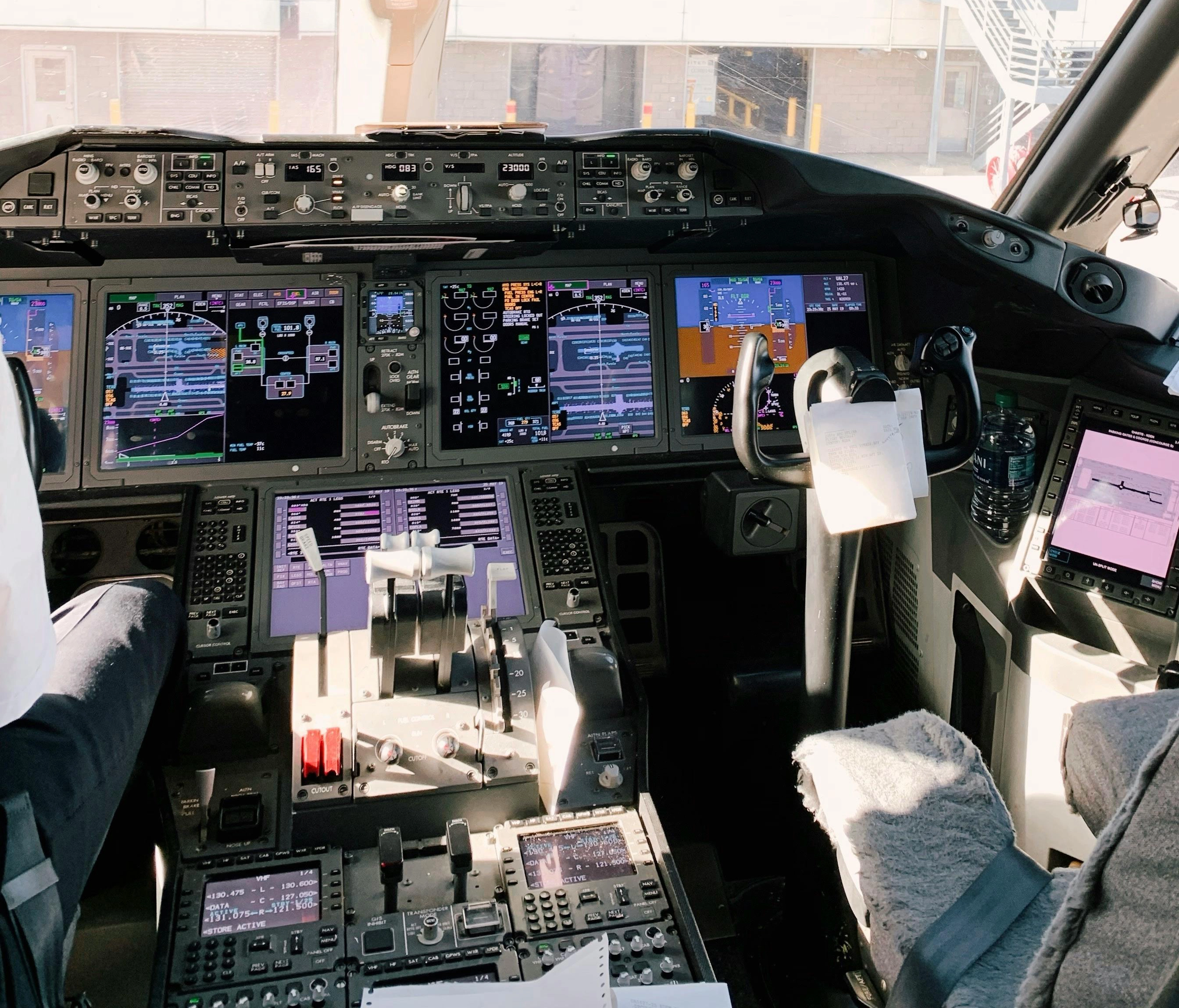
During instrument flight training, you learn how to:
- Control the airplane by reference to instruments
- Copy and follow ATC clearances
- Fly IFR departure, en route, arrival, and approach procedures
- Use navigation systems without getting behind the airplane
- Read IFR en route charts and instrument approach procedures
- Interpret aviation weather reports and forecasts
- Recognize weather that should change the plan
- Handle emergencies while staying organized
- Build personal minimums that are more conservative than the legal minimums when needed
The FAA lists these knowledge and flight proficiency areas in 14 CFR 61.65. For a student, the plain-English version is simple: you are learning to fly with structure when outside visual references are limited or unavailable.
Instrument Rating Requirements in Plain English
For a Part 61 instrument-airplane rating, 14 CFR 61.65 includes several important requirements. These are not cost or timeline guarantees. They are the regulatory pieces you and your instructor must account for.
| Requirement area | What it means for you |
|---|---|
| Pilot certificate | You must hold at least a current private pilot certificate, or be applying for the private pilot certificate at the same time, with the proper aircraft rating. |
| Ground training | You need ground training or an approved home-study course covering IFR rules, ATC procedures, weather, charts, approaches, decision-making, and related topics. |
| Knowledge test | You need an instructor endorsement showing you are prepared, then you must pass the required FAA instrument knowledge test. |
| Flight proficiency | You must train with an authorized instructor on IFR procedures, instrument flying, navigation, approaches, emergency operations, and related areas. |
| Cross-country PIC time | For Part 61 instrument-airplane applicants, the rule includes 50 hours of cross-country time as pilot in command, including 10 hours in airplanes, except for special combined private/instrument paths. |
| Instrument time | The rule includes 40 hours of actual or simulated instrument time, with specific instructor time included. |
| Practical test | You need an instructor endorsement showing you are ready, then you must pass the instrument practical test. |
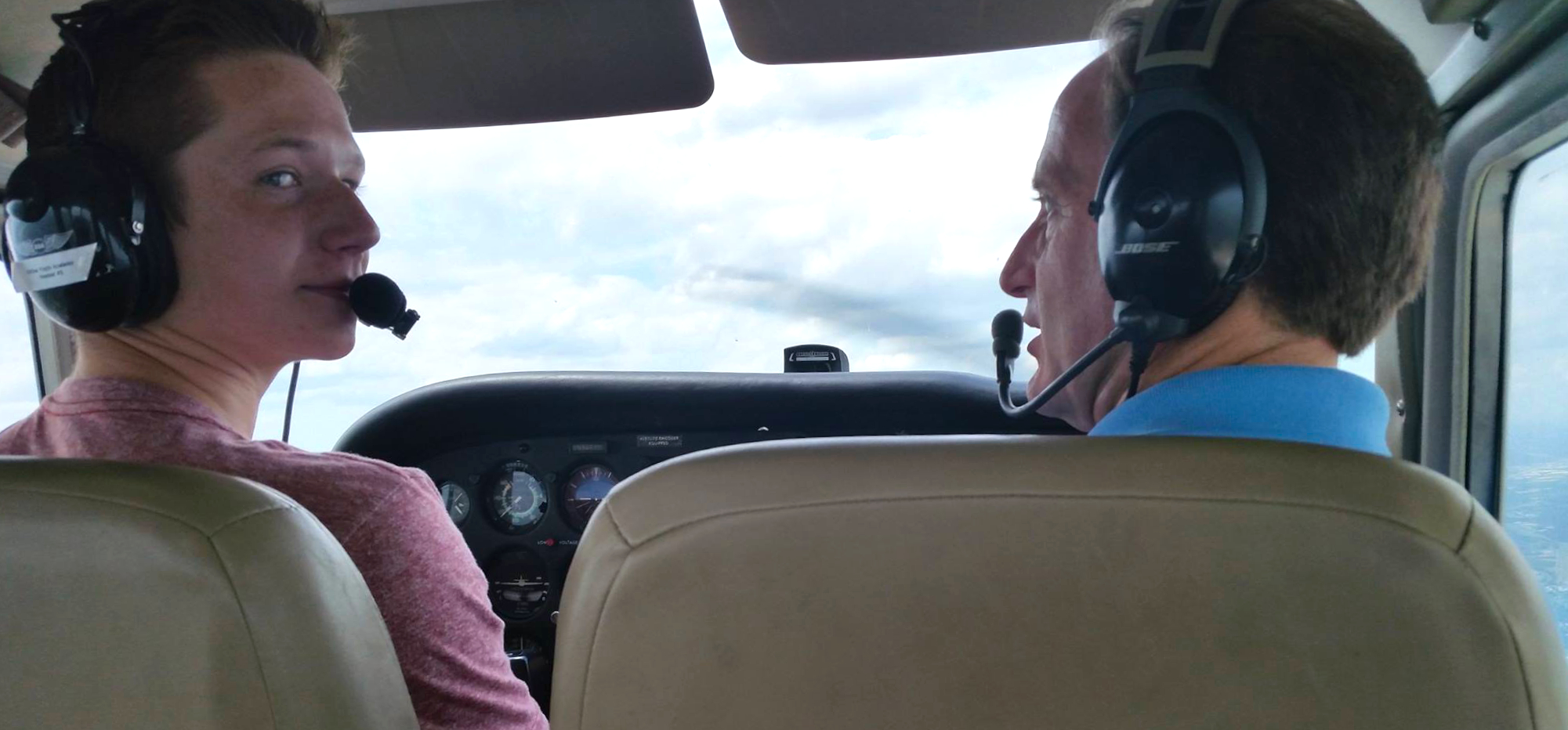
There are also specific details inside the 40 hours of instrument time. For an instrument-airplane rating, at least 15 of those hours must be with an authorized instructor who holds an instrument-airplane rating. You also need three hours of instrument flight training within two calendar months before the practical test.
The rule also includes a required IFR cross-country flight with an authorized instructor. For airplane applicants, that flight must meet the 250-nautical-mile requirement, include instrument approaches at each airport, and include three different kinds of approaches with navigation systems.
That is why good instrument training starts with a plan. You are not just collecting hours. You are building the required experience in the right order.
Why Oklahoma Weather Can Help You Think Like an Instrument Pilot
Oklahoma weather should not be treated like a magic shortcut. It does not automatically create better pilots, and no school should promise that it does.
What it can do is give you plenty to study.
Around the Oklahoma City area, students often need to pay close attention to wind, ceilings, visibility, frontal movement, fast-changing forecasts, and conservative go/no-go decisions. Those are useful conversations for a pilot preparing for IFR training.
For instrument students, weather study is not just a ground-school topic. It affects real choices:
- Is this a training day, a ground lesson day, or a no-go day?
- Are the ceilings and visibility legal but still beyond your personal minimums?
- Is the wind within aircraft, instructor, and student limits?
- Is the forecast improving, holding steady, or getting worse?
- What is the backup plan if the destination or approach is no longer a good choice?
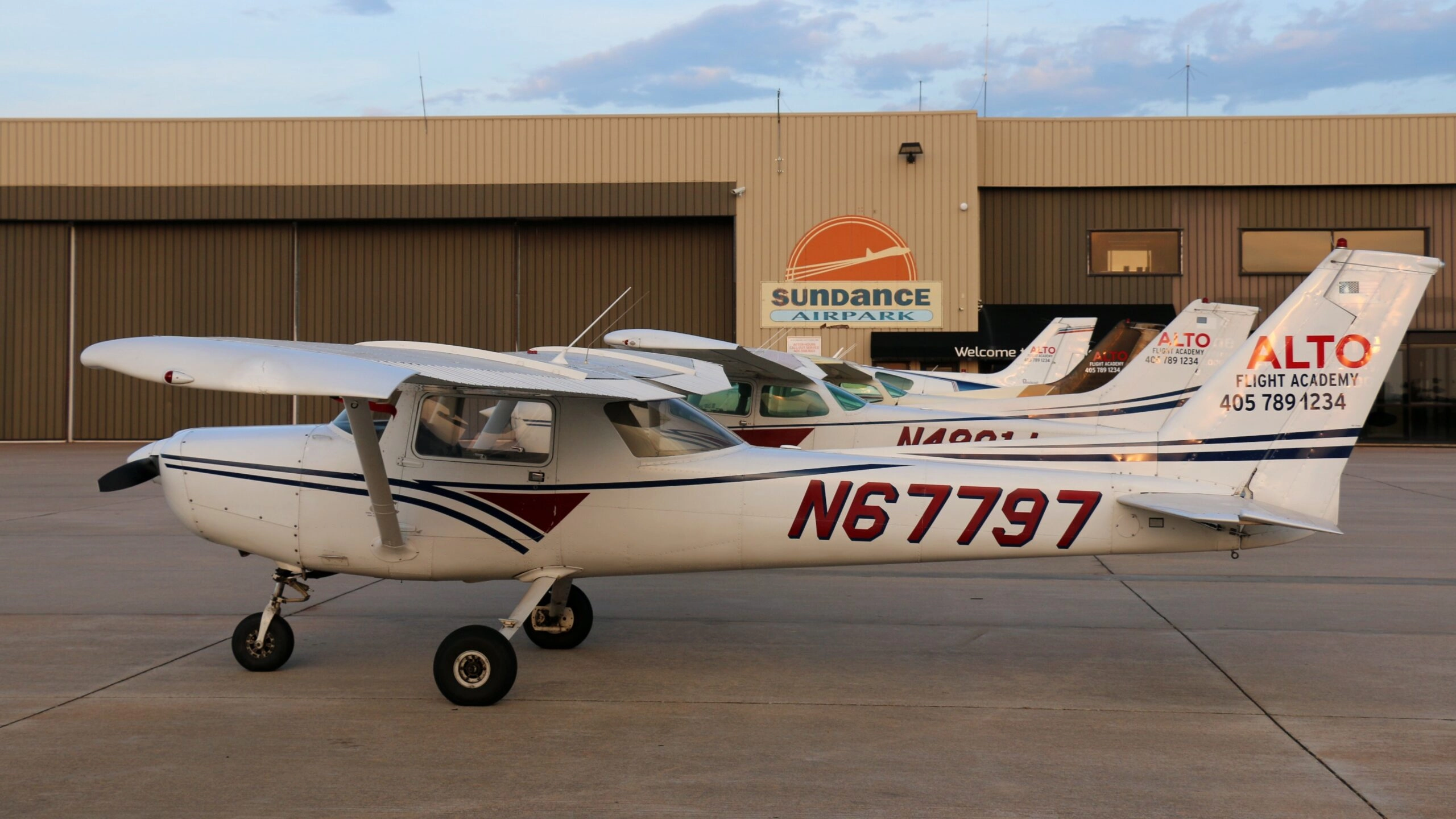
At Alto Flight Academy, training is based at Sundance Airport (KHSD) in Yukon, just west of Oklahoma City. That local airport environment gives students a practical place to build habits around weather planning, ATC communication, and aircraft control without treating weather as something to rush through.
Cost and Timeline Expectations Without Guesswork
The most expensive mistake in instrument training is assuming FAA minimum hours equal your final cost.
They do not.
Your instrument rating cost depends on more than the 40-hour instrument-time requirement. A real estimate should separate each cost category so you can see what is included and what is not.
| Cost factor | Why it changes the final number |
|---|---|
| Aircraft rental | Rates vary by aircraft, equipment, and whether the aircraft is appropriate for the lesson. |
| Instructor time | You may pay for both flight instruction and ground instruction. |
| Ground school | Some students use a class, some use home study, and some need extra review before the written test. |
| Materials | Charts, subscriptions, books, view-limiting devices, and test-prep tools can add cost. |
| FAA knowledge test | The written test is a separate step from flight training. |
| Checkride expenses | Plan for examiner fees and aircraft/instructor-related preparation before the practical test. |
| Extra proficiency time | Some students need more practice before they are ready for the checkride. |
Timeline works the same way. A student who studies between lessons, flies consistently, and arrives prepared will usually move more efficiently than a student who trains once in a while and has to relearn each lesson.
Weather, aircraft availability, instructor availability, and checkride scheduling also matter. A useful plan should ask, “How many quality lessons can you complete each week?” not just, “How fast can this be done?”
How to Prepare Before Starting IFR Training
Useful preparation happens before the engine starts. Instrument training rewards students who show up ready.
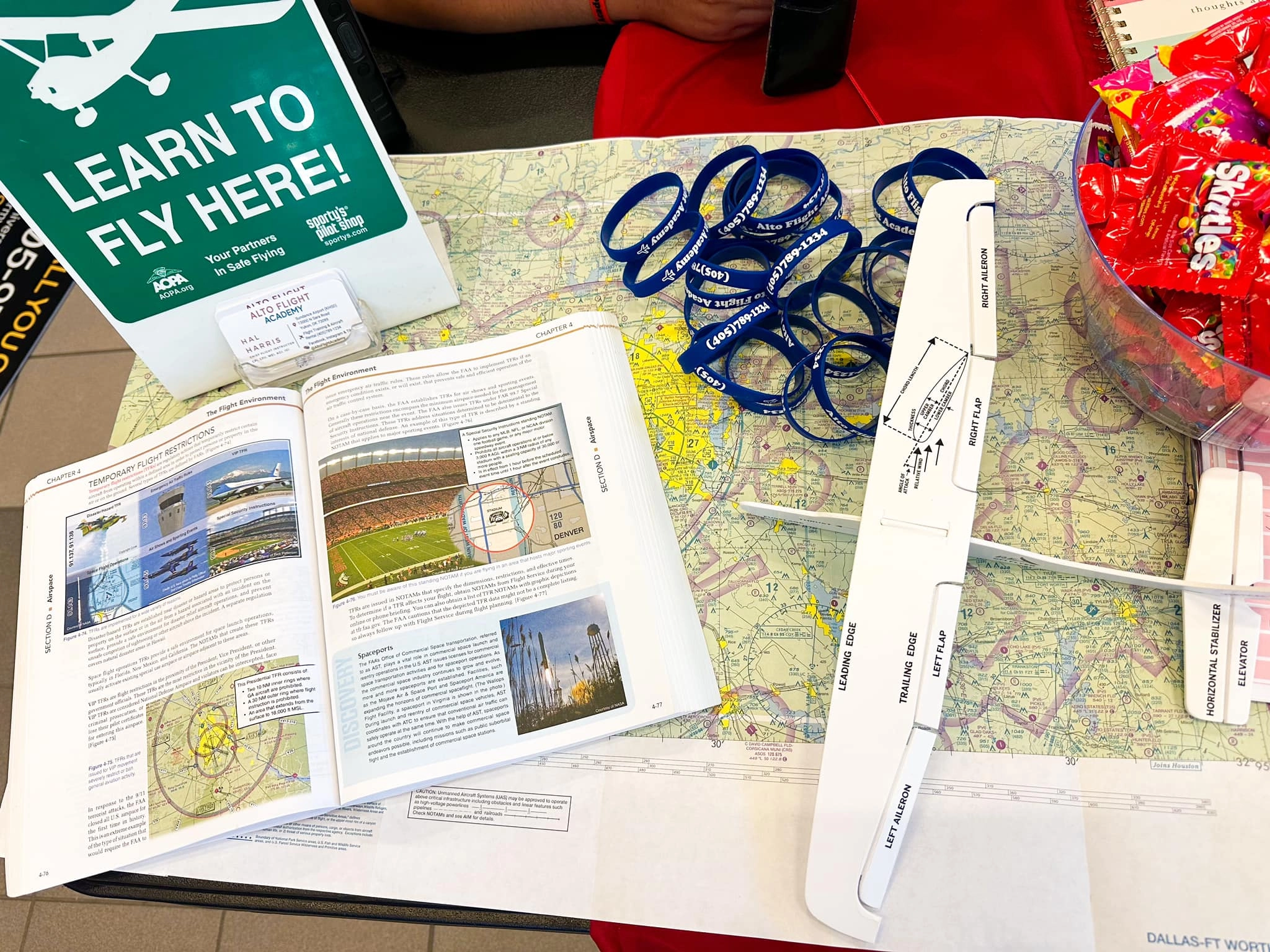
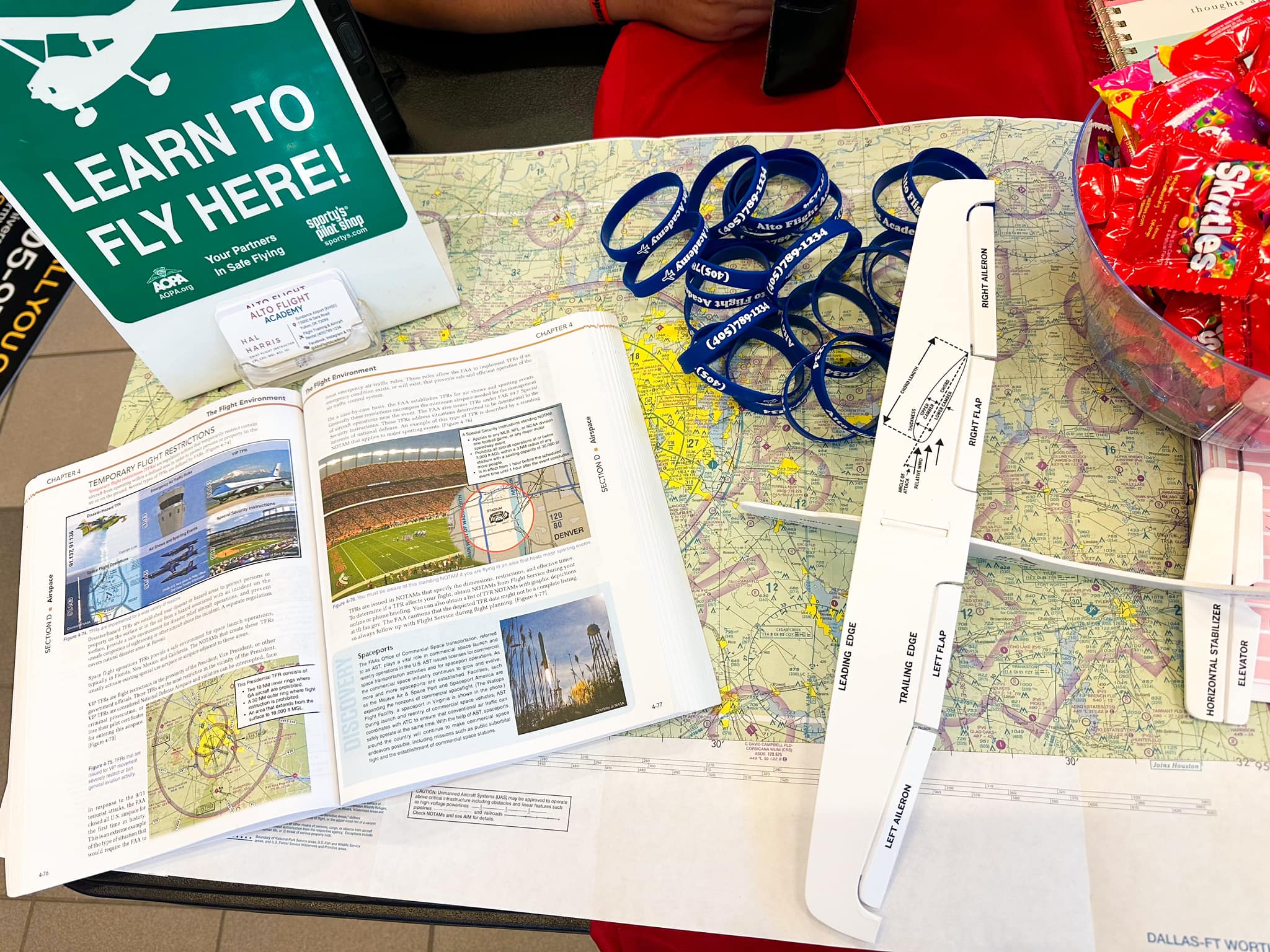
Start with the written exam plan. Alto encourages students to complete the written exam before beginning instrument flight training or to be enrolled in instrument ground school. That does not mean you must know everything before your first IFR lesson. It means your flight time can be used to apply knowledge instead of meeting basic terms for the first time in the cockpit.
Next, review your private pilot fundamentals. Instrument training adds workload. If basic aircraft control, radio work, checklist use, or weather interpretation is weak, IFR training will expose it quickly.
Before you begin, ask yourself:
- Can you hold altitude, heading, and airspeed without chasing the airplane?
- Are you comfortable talking to ATC?
- Can you read METARs, TAFs, and basic weather products?
- Do you know how to brief a flight instead of just following a route on a screen?
- Are you ready to study between lessons?
- Can your schedule support consistent training?
Then talk with an instructor. A good instructor can look at your current hours, cross-country PIC time, written-test status, schedule, and goals. From there, you can build a plan instead of guessing.
Common IFR Training Mistakes to Avoid
Instrument students do not usually struggle because one topic is impossible. They struggle because workload stacks up.
These are common areas instructors often coach during IFR training:
| Mistake | Why it costs time | Better habit |
|---|---|---|
| Starting before ground knowledge is ready | Every cockpit task takes longer when the terms are still unfamiliar. | Study IFR charts, weather, and procedures before and between lessons. |
| Chasing needles | Overcorrecting creates more work and less stability. | Make small corrections and return to a steady scan. |
| Weak instrument scan | The airplane can drift before the student notices. | Build a repeatable scan and keep it moving. |
| Poor approach briefing | The student reaches the final approach segment without a clear plan. | Brief the chart, missed approach, minimums, frequencies, and timing before workload rises. |
| Radio hesitation | Delayed or unclear radio work adds stress. | Practice reading back clearances and asking for clarification early. |
| Treating legal minimums as personal minimums | A legal flight can still be a poor training decision. | Set personal minimums with your instructor and adjust them as skill grows. |
None of these mistakes mean you are not cut out for instrument flying. They mean IFR training is doing its job. It shows you where your habits need to become cleaner.
Why Alto Flight Academy Fits the IFR Student
Alto Flight Academy is based at Sundance Airport (KHSD) in Yukon, Oklahoma, serving the Oklahoma City area. For a private pilot ready to add an instrument rating, that matters because you are not shopping for an abstract course. You need a training environment, an instructor, and aircraft that support the way IFR skills are built.
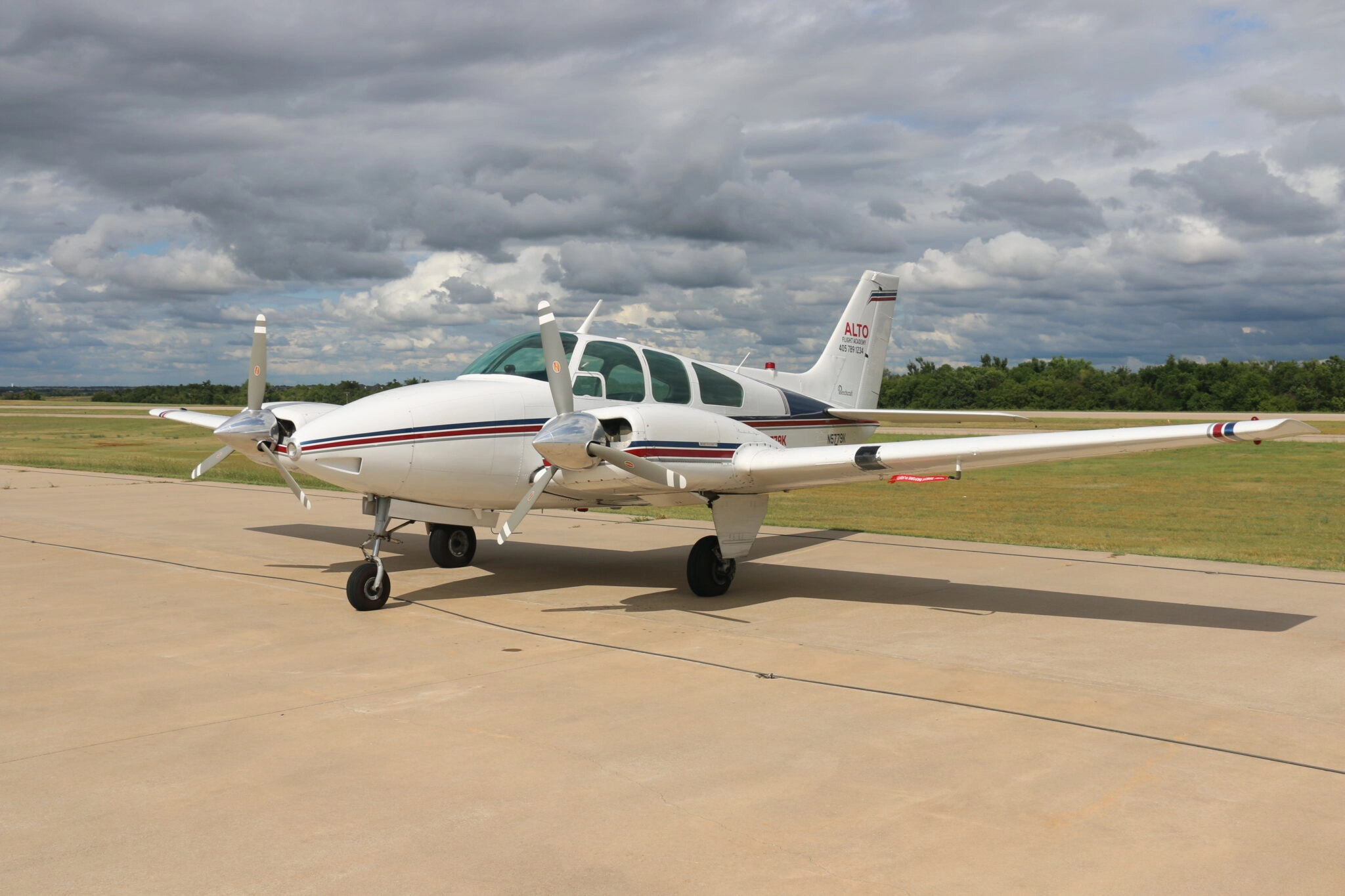
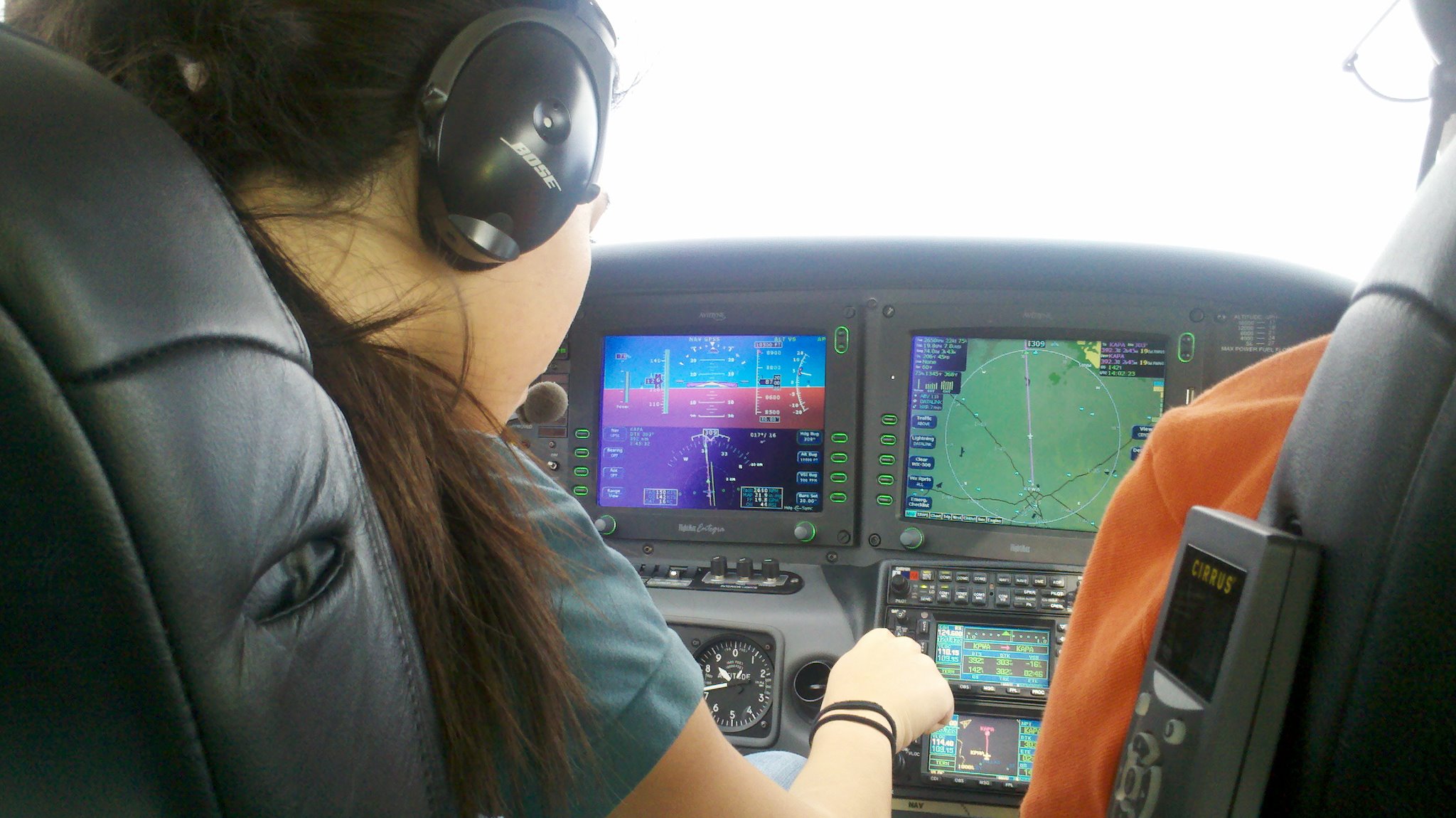
Alto’s listed fleet includes IFR-equipped aircraft and Garmin avionics. Exact aircraft and equipment should always be confirmed when you schedule, because aircraft configuration can change. Still, the fleet information gives instrument students a useful starting point when asking about aircraft availability and training fit.
The school also offers a full training path beyond the instrument rating, including commercial pilot training, flight instructor training, multi-engine rating training, and ATP training. That matters if your instrument rating is part of a longer aviation goal. You can ask how the skills you build now will carry into the next certificate or rating.
What to Ask Before You Enroll
Before you start instrument flight training, ask specific questions. Clear answers can prevent cost surprises later.
Use this checklist:
- How much cross-country PIC time do you already have?
- Should you finish the written exam before starting flight lessons?
- Which aircraft are currently used for instrument training?
- What are the current aircraft and instructor rates?
- What is included in the ground school or training package?
- How often should you fly to keep momentum?
- How does weather affect the training schedule?
- How are simulator, aviation training device, or ground lessons used, if available?
- What checkride preparation is included?
- What costs are not included in the first estimate?
The point is not to find a perfect number on the first phone call. The point is to understand the variables before you commit.
FAQ
Do you need a private pilot certificate before instrument training?
For an instrument rating, you must hold at least a current private pilot certificate or be applying for the private pilot certificate at the same time, with the appropriate aircraft rating. Most students add the instrument rating after earning the private pilot certificate.
How many hours do you need for a Part 61 instrument-airplane rating?
Under Part 61 for an instrument-airplane rating, 14 CFR 61.65 includes 50 hours of cross-country PIC time, with 10 hours in airplanes, and 40 hours of actual or simulated instrument time. The rule also includes specific instructor, recency, and IFR cross-country requirements.
How long does instrument rating training take?
There is no honest one-size-fits-all timeline. Your pace depends on lesson frequency, preparation, weather, proficiency, aircraft availability, instructor availability, and checkride scheduling.
How much does an instrument rating cost?
Total cost varies. Ask for a current estimate that separates aircraft rental, instructor time, ground school, materials, FAA knowledge test, checkride aircraft time, examiner fee, and extra proficiency time.
What does instrument ground school cover?
Instrument ground school usually covers IFR regulations, ATC procedures, weather reports and forecasts, IFR navigation, en route charts, approach procedures, aeronautical decision-making, and related topics. Alto’s Instrument Ground School also prepares students for the FAA written exam.
Does an instrument rating let you fly in any weather?
No. An instrument rating expands what you can legally and practically do, but you still must follow aircraft equipment rules, currency rules, weather limits, operating procedures, and your own personal minimums.
Start With a Training Plan
If you are ready to move beyond private pilot flying, start with a clear instrument training plan. Bring your current hours, written-test status, schedule, and goals to the conversation.
Alto Flight Academy can help you map the next step from private pilot to instrument rating at Sundance Airport in the Oklahoma City area. Visit the Instrument Rating Training page or contact the Alto team to talk through your next step.