Multi-Engine Flight Schools: What to Ask Before You Enroll

Published by:
Hal Harris
Published on:
Updated on:
Read time:
9 min read
When you compare multi-engine flight schools, do not start with the hourly rate alone. Start with the questions that protect your time, your money, and your checkride readiness.
A multi-engine rating is usually added to an existing pilot certificate. It is not just another box on the career checklist. You are learning to manage more aircraft, more systems, more speed, and more decision pressure. The school you choose should be able to explain how that training will actually work before you enroll.
At Alto Flight Academy, multi-engine rating training happens at Sundance Airport (KHSD) in the Oklahoma City area. Use this guide to compare schools with a sharper eye.
Start With Aircraft Access, Not the Sales Pitch
Multi-engine training depends on aircraft access. A school can have a strong website and still leave you waiting if the aircraft, instructor, or maintenance schedule does not support consistent training.
Before you enroll, ask:
- Which multiengine aircraft will you train in?
- How often is it available for students?
- Who maintains it?
- What happens if the aircraft is down?
- What avionics and equipment will you use?
- How much ground instruction happens before the first flight?
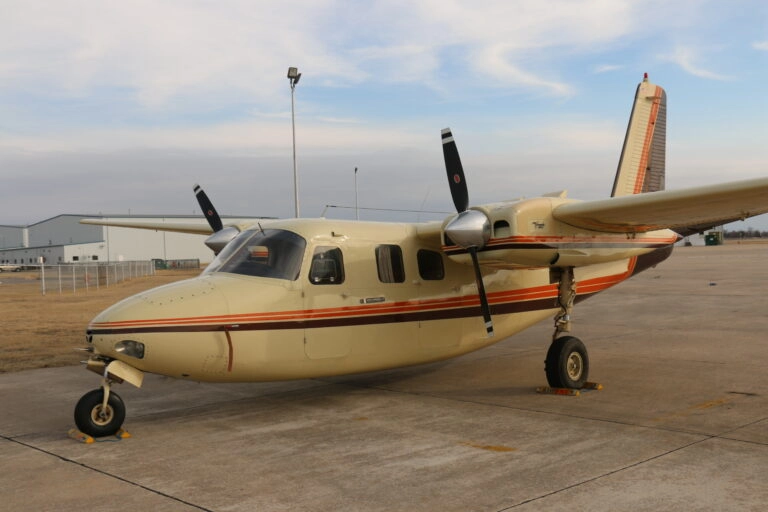
At Alto, our fleet includes a Beech Baron for multi-engine work. Because rates and aircraft availability can change, the right move is to contact us and confirm the current aircraft plan before you build a budget.

You can also review the Alto fleet before the conversation so your aircraft questions are specific.
Make the Instructor Plan Specific Before Engine Start
Multi-engine training introduces asymmetric thrust, Vmc awareness, engine-out procedures, performance planning, systems, and checklist discipline. Those topics need more than a quick briefing beside the airplane.
Ask how the instructor will prepare you before the first flight:
- What should you study before training starts?
- How will ground lessons connect to flight lessons?
- How will engine-out scenarios be introduced?
- What standards must you meet before checkride prep?
- How often should you train to keep procedures fresh?
The goal is not to rush into a twin. The goal is to keep the airplane from getting ahead of you.
If you are still sorting out timing, read the multi-engine rating training FAQ before you schedule.
Break the Cost Into the Pieces You Can Control
A multi-engine hourly rate is only one part of the budget.
Before you compare schools, ask for a current estimate that separates:
- Aircraft rental
- Instructor time
- Ground instruction
- Materials or study resources
- Checkride aircraft time
- Examiner fee
- Extra proficiency time
- Retest costs, if needed
This matters because multi-engine training is usually a focused, serious investment. You do not want to discover late that the estimate did not include ground instruction, examiner fees, or extra aircraft time.
If financing is part of your training plan, bring that up when you contact Alto. Current rates, payment timing, and available options should be part of the planning conversation before you set a training pace.
For broader timing and cost context, read the 2026 multi-engine flight training guide.
Check How the Rating Fits Your Career Path
Not every pilot needs multi-engine training right now.
If your flying will stay recreational and single-engine, this rating may not be the next best use of your budget. If your goals point toward airline, corporate, charter, or advanced commercial flying, multi-engine training can become a more important part of the plan.
| Your current stage | What to clarify before multi-engine | Helpful Alto page |
|---|---|---|
| Private Pilot | Whether your fundamentals and budget are ready for more complexity | Private Pilot training |
| Instrument Rating | Whether instrument proficiency should come first | Instrument Rating |
| Commercial Pilot | Whether multi-engine should fit before, during, or after commercial planning | Commercial Pilot training |
| Flight Instructor | Whether CFI, CFII, or later MEI goals shape the timing | Flight Instructor training |
| Airline Transport Pilot | How the rating supports a longer ATP path without guaranteeing hiring | ATP training |
Airline eligibility and airline hiring are separate milestones. A multi-engine rating can support a professional path, but it does not guarantee a job. Treat it as one part of a larger plan.
Use the Checkride Plan as a Readiness Test
A serious school should explain how it prepares you for the practical test. That does not mean promising a pass. It means showing the structure that gets you ready.
Ask:
- What does checkride prep look like?
- How does the instructor know you are ready?
- Which aircraft will be used for the practical test?
- What documents and endorsements should be in order?
- How does examiner availability affect the schedule?
- What happens if weather or maintenance interrupts the plan?
Good answers reduce uncertainty. They also show whether the school is thinking about your whole training sequence, not just selling a few hours in a twin.

When you are ready to compare your current certificate, hours, schedule, and goal, start with the multi-engine rating training page.
FAQ
What questions matter before choosing a multi-engine flight school?
Ask about aircraft access, instructor planning, ground instruction, current rates, maintenance support, checkride preparation, and how the rating fits your larger aviation goal.
Is a multi-engine rating a separate certificate?
No. A multi-engine rating is usually a class rating added to an existing pilot certificate.
Is multi-engine training needed for an airline career?
Multi-engine experience is relevant to many airline-track pathways, but a rating alone does not guarantee an airline job. Hiring depends on many FAA, employer, medical, experience, and interview factors.
How much does multi-engine training cost?
Cost depends on aircraft time, instructor time, ground instruction, study resources, checkride aircraft time, examiner fees, and any extra proficiency time. Confirm current rates before you budget.
Should instrument training come before multi-engine?
It depends on your current certificate, proficiency, and goals. Many career-track pilots benefit from strong instrument skills before adding the workload of a multiengine airplane.
Choose the School That Explains the Whole Plan
The right multi-engine school should make the path clearer before you spend money. You should understand the aircraft, instructor plan, cost inputs, training sequence, and checkride prep before the first engine start.
If you are comparing multi-engine flight schools near Oklahoma City, start with Alto’s Multi-Engine Rating Training. Bring your current certificate, ratings, total time, schedule, and goal, and we will help you decide whether now is the right time to begin.