The aviation industry needs qualified pilots right now. If you are looking to build a professional pilot career, 2026 is the year to take action. Major airlines and regional carriers are actively seeking aviators who have reached the 1,500-hour milestone. This intense demand creates a rare opportunity for dedicated students to step into the flight deck faster than ever before.
Finding the right commercial pilot school is your first and most important decision. A rigid program will slow you down. A congested airport will waste your money. You need a clear, efficient pathway from your first lesson to your final airline interview.
Located at Sundance Airport, Alto Flight Academy offers that direct pathway. You can start with zero experience and progress all the way to an airline transport pilot without fighting through long waitlists. This guide outlines the exact steps to build your career with flight training OKC trusts for real results.
The Certification Ladder: Your Path to the Airlines
A professional pilot career is built one step at a time. Each certification unlocks a new set of skills and privileges. Here is the exact progression you will follow to reach the airlines.
The Five Core Certifications:
| Certification Level | Minimum Required Hours | What It Allows You To Do | Program Details |
|---|---|---|---|
| Private Pilot | 40 hours | Fly solo and carry passengers without compensation. | Private Pilot Training |
| Instrument Rating | 40 hours (additional) | Fly in clouds and low visibility using only cockpit instruments. | Instrument Rating |
| Commercial Pilot | 250 total hours | Fly for compensation and start your professional career. | Commercial Pilot Training |
| Multi-Engine Rating | 10-15 hours (additional) | Command aircraft with more than one engine. | Multi-Engine Rating |
| Airline Transport Pilot | 1,500 total hours | Serve as a captain for commercial airlines. | ATP Training |
Your journey begins with the Private Pilot certificate. This teaches you the fundamentals of taking off, navigating, communicating, and landing safely.
Next, you will add your Instrument Rating. Airlines fly in all types of weather. You must know how to navigate safely when you cannot see the ground. This rating gives you the skills to trust your instruments completely.
Reaching the 250-hour mark allows you to earn your Commercial Pilot certificate. This is the moment you transition from learning for fun to flying for a living. You will master advanced maneuvers and professional decision-making.
Because airlines fly large jets, you must also earn your Multi-Engine Rating. Finally, you will build your flight time to 1,500 hours to earn your Airline Transport Pilot certificate. This is the ultimate goal and the golden ticket to your airline career.
Why Flexible Part 61 Training Beats the University Route
When you search for flight schools in Oklahoma, you will generally find two types of programs. Part 141 schools are often attached to large universities. They use rigid schedules, mandatory semesters, and strict academic timelines.
Your training deserves the best environment, and rigid timelines do not help you reach your goals faster. At a university program, you progress at the speed of the slowest student in the class. If you are ready to fly every day, a university program will still force you to wait for the next semester.
Alto Flight Academy operates under FAA Part 61 rules. This means your training adapts to your schedule. There are no waitlists here, so you can fly consistently and finish your certification faster. If you want to train five days a week, you can. If you need to pace your training around a full-time job, you have the freedom to do that.
You only pay for the flight hours you actually need. We can help you navigate financing options so you can focus entirely on learning to fly. By choosing a Part 61 atp flight school, you take control of your own career timeline.
Master Real Weather: The Oklahoma Crosswind Advantage
Some flight schools brag about having perfect, calm weather every day. That sounds nice, but it creates a dangerous proficiency gap. Airlines do not cancel flights just because the wind is blowing.
Real pilots fly in real weather. Oklahoma is famously located in “Tornado Alley,” providing a dynamic crosswind laboratory for student pilots. You will learn to handle southwesterly winds, sudden gusts, and rapid weather changes.
The FAA reports that runway excursions during landing account for roughly 20% of commercial jet accidents. Pilots who only train in calm weather struggle when they finally face a real crosswind. Training in Oklahoma ensures you are not part of that statistic. Every bumpy approach and gusty landing makes you a stronger, safer, and more capable aviator.
Sundance Airport also offers geographic benefits. It is an uncongested general aviation field. This means you do not waste your money sitting on the taxiway waiting for commercial airliners to land. You get immediate runway access. However, because you are directly adjacent to Oklahoma City’s Class C airspace, you still learn how to communicate with advanced Air Traffic Control.
You get the safety of open practice areas with the professional radio experience required by the airlines. Learn more about how you can master crosswinds at Sundance Airport to build your confidence.
Fly Safe, Fly Often: How the Fleet Keeps You in the Air
A flight school is only as good as its airplanes. If the fleet is grounded for maintenance, your career is on hold.
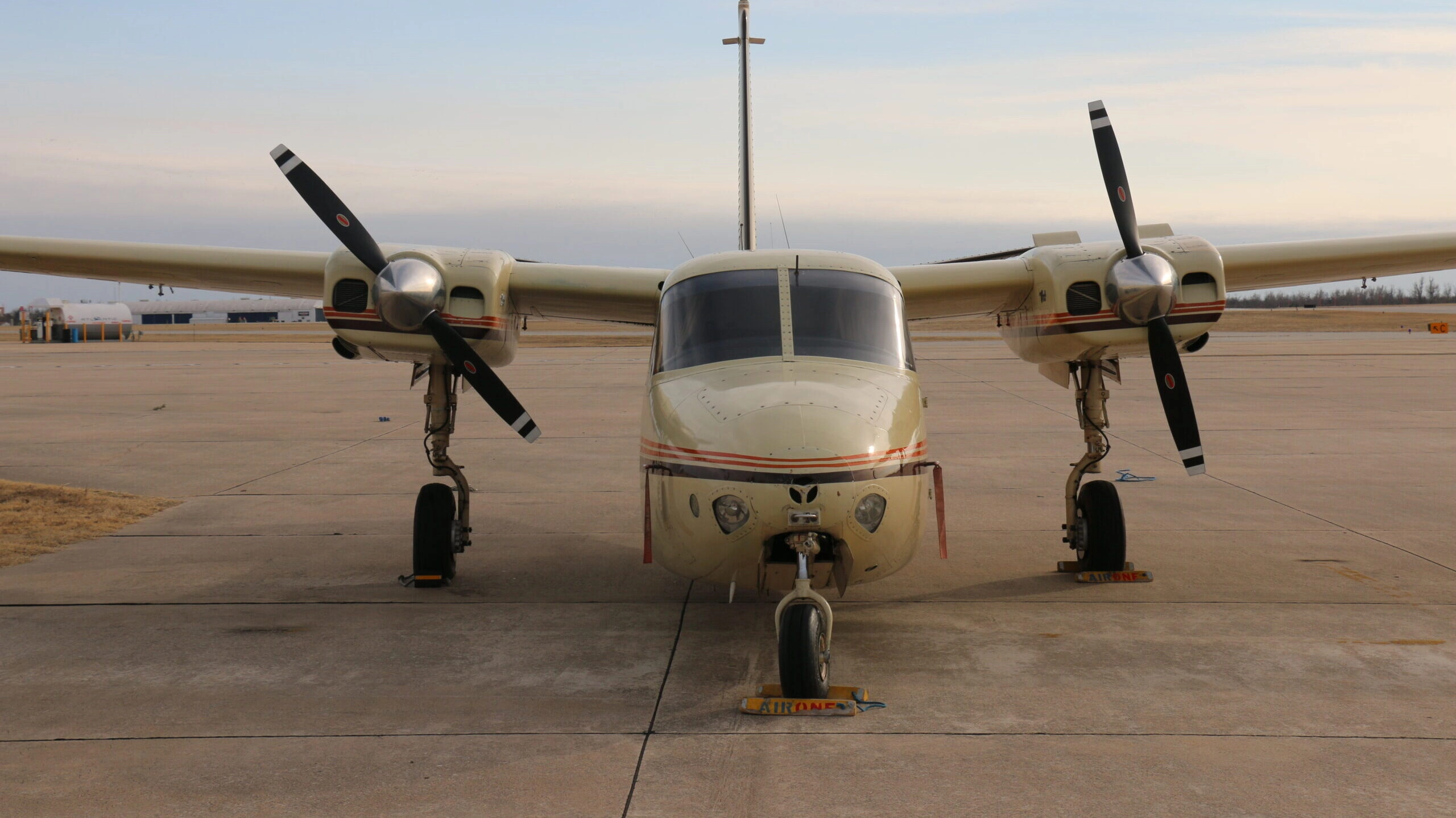
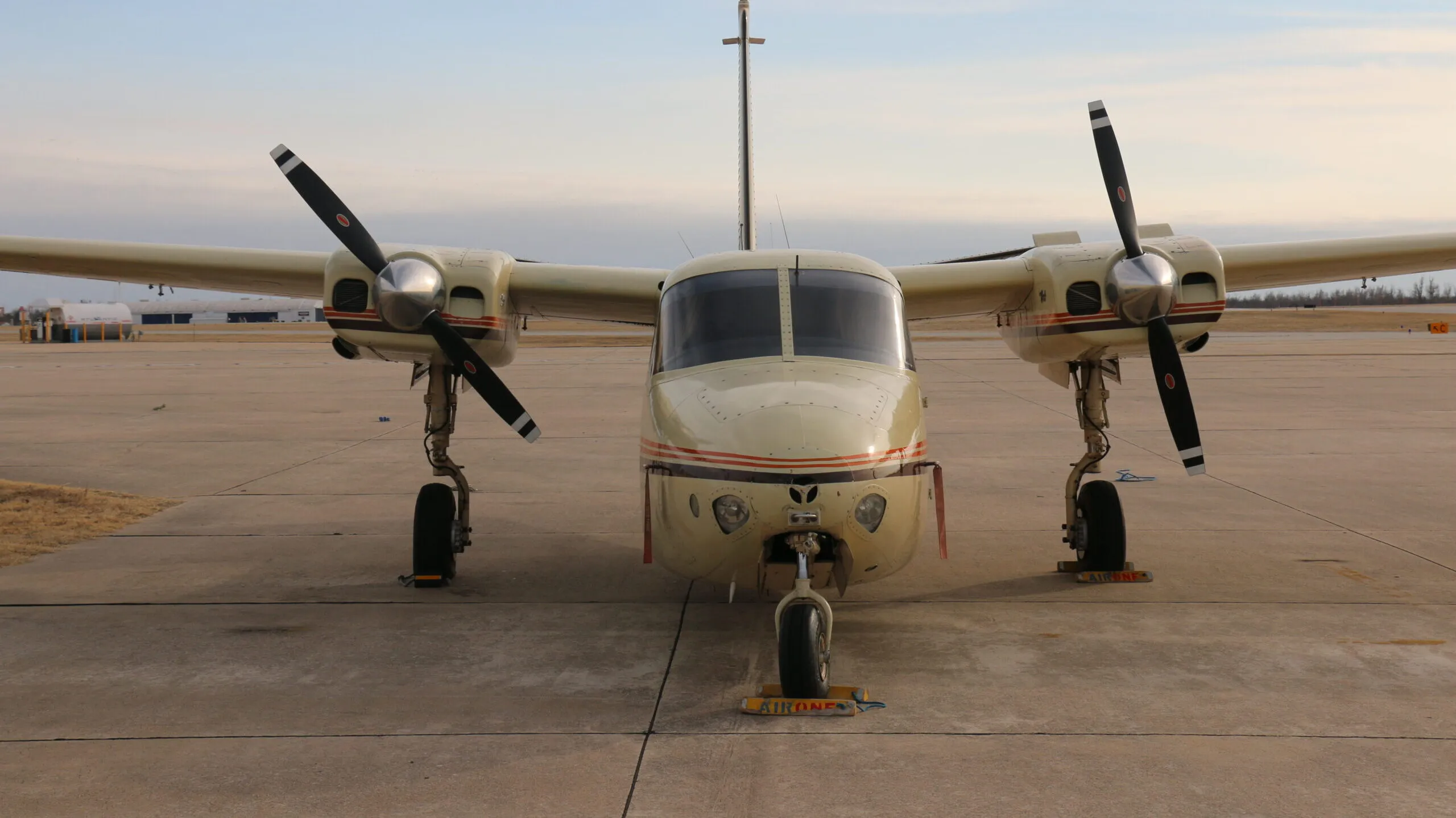
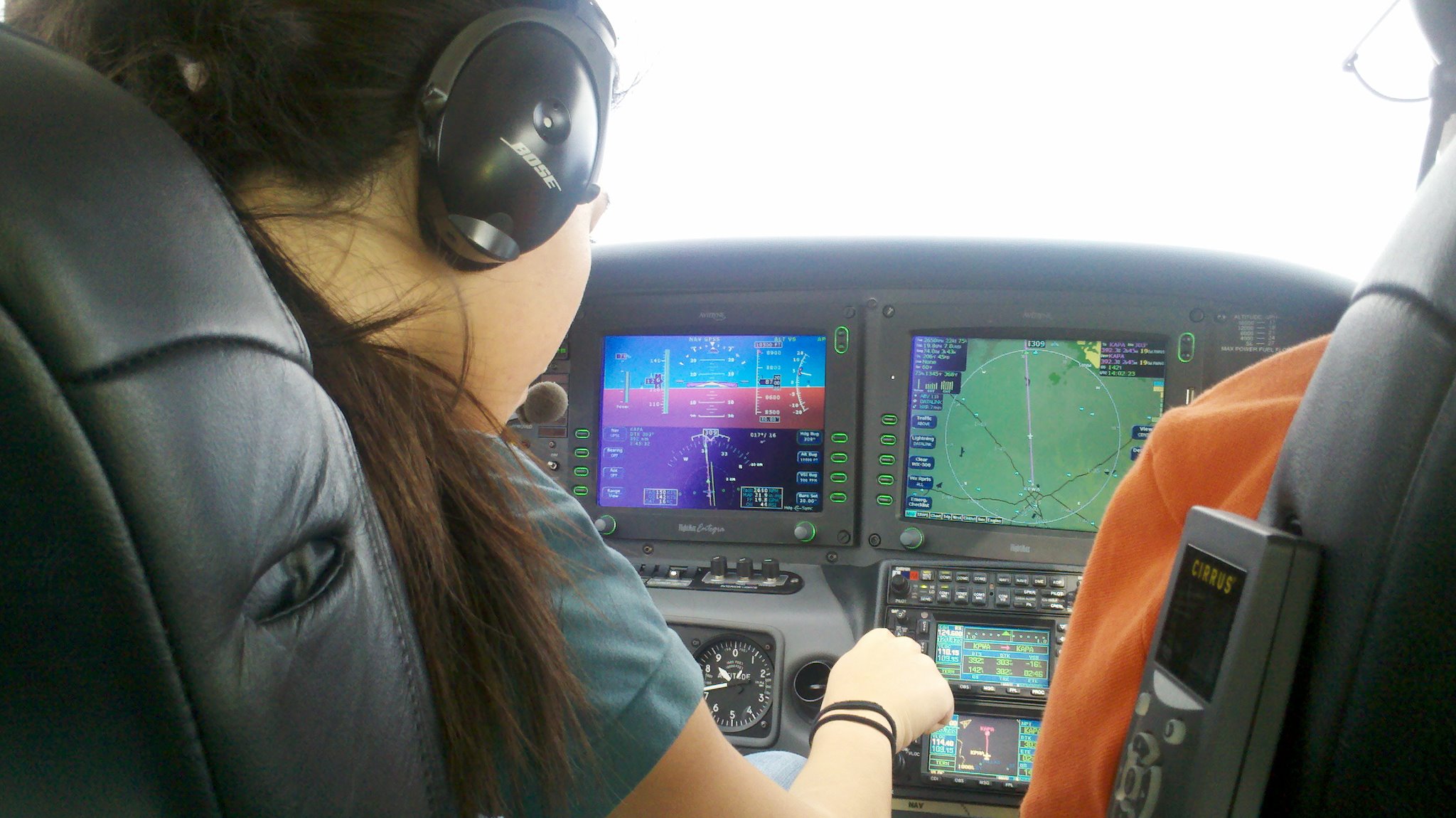
Your progress requires reliable airplane rental OKC pilots can trust. The training fleet here includes the proven Cessna 172, the complex Cessna 172RG with retractable gear, and the powerful 6-seat Beech Baron for multi-engine training. This eliminates equipment bottlenecks. You have local access to the advanced aircraft you need without traveling to a different state.
The fleet runs modern avionics to prepare you for the airlines. The Cessna 172 features a Garmin 430W GPS and ADS-B In & Out with Bluetooth. The Beech Baron features a Garmin GNX 375 GPS/Transponder. You will learn to scan glass and digital instruments just like you will in a corporate jet.
Maintenance delays are solved by having an on-site Aircraft and Powerplant Mechanic named Beau. In-house maintenance allows for immediate on-field inspections and repairs. This results in fewer canceled lessons and higher fleet availability.
Furthermore, you are billed fairly. Hobbs meter charges track actual flight time instead of excessive taxiing or ground idling behind corporate jets. You pay to fly, not to wait.
Bridge the Gap: Become a Certified Flight Instructor
Earning your commercial certificate gets you to 250 hours. The airlines require 1,500 hours. How do you bridge that massive gap without spending a fortune?
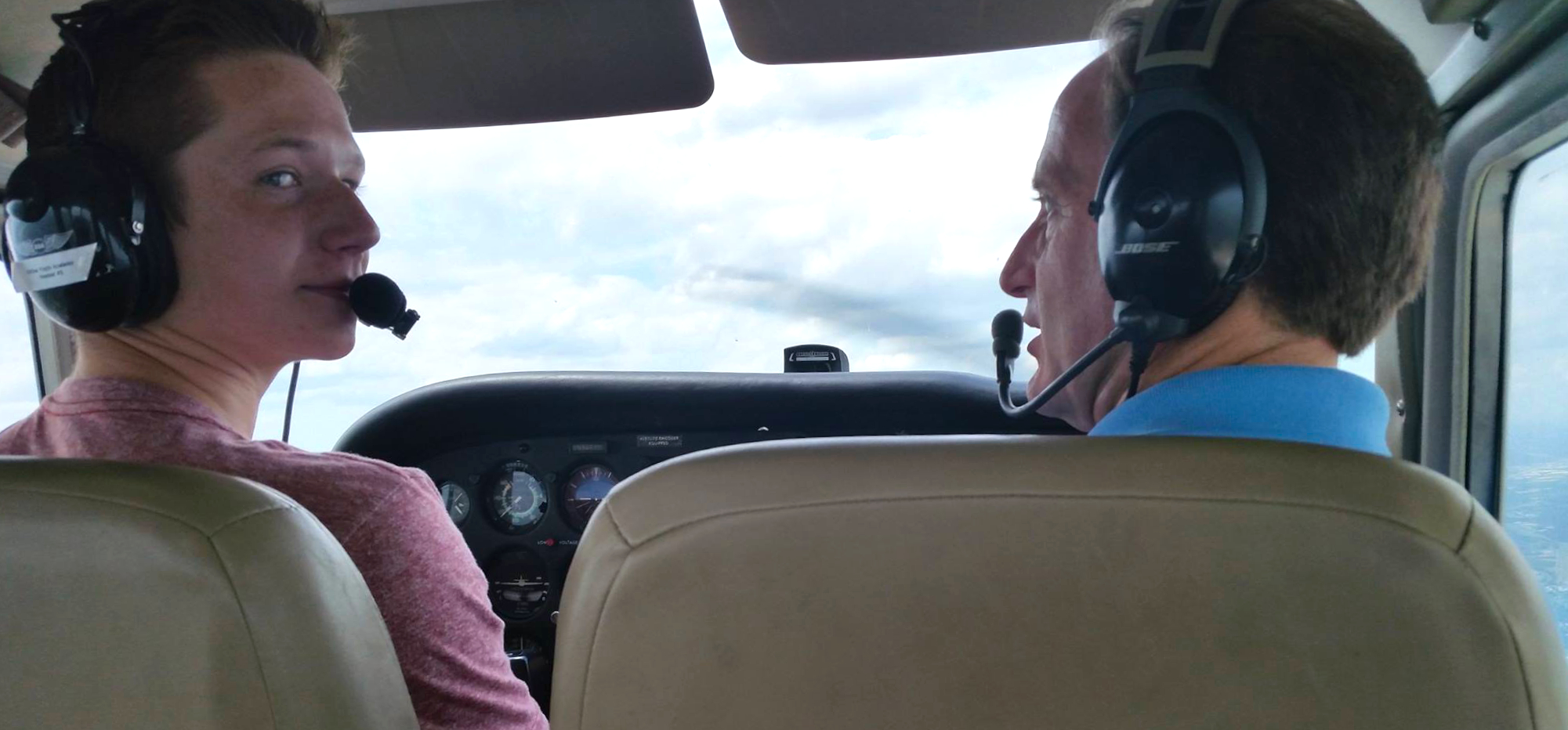
You become a teacher. By entering the Certified Flight Instructor program, you earn the right to teach new students. Instead of paying for airplane rental to build your hours, you get paid to fly.
This is the exact strategy used by almost every major airline pilot today. You log hours every time you teach a student. Teaching also forces you to master the material perfectly, making you a much sharper pilot for your future airline interviews.
The Family-Owned Difference at Alto Flight Academy
Choosing an aviation academy is a massive commitment. You want a school that treats you like a future captain, not just an invoice number.
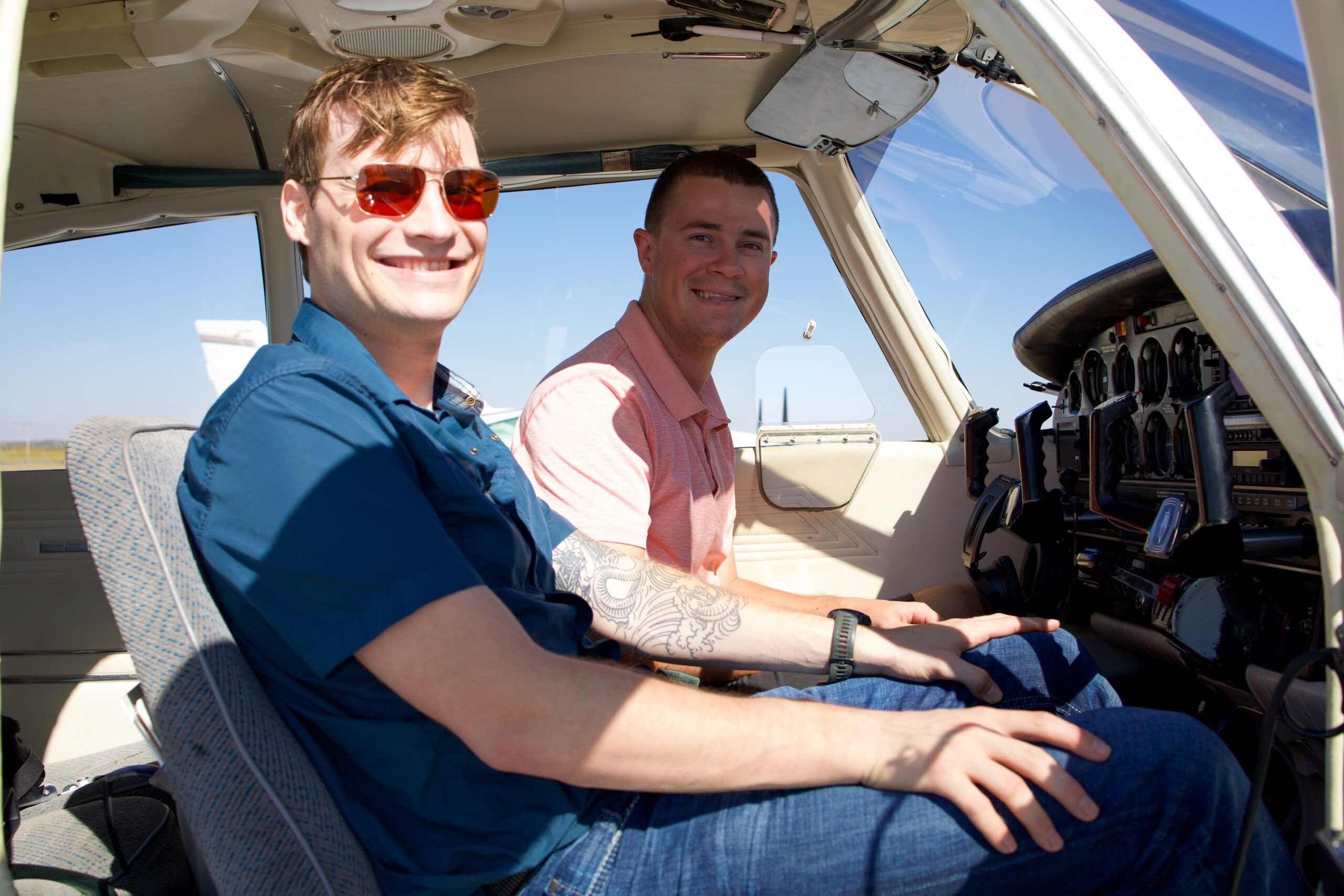
Established in 1995, Alto Flight Academy has operated for over 30 years. It is a family-run business founded and operated by Hal Harris, MariCris Harris, and Grace Manglicmot. As a female and Asian-owned business, the academy prioritizes inclusion and comprehensive aviation training for students of all backgrounds.
Your instructors adhere strictly to FAA-approved rules to ensure the highest safety standards. You get the professional curriculum of a massive university, combined with the personal mentorship of a dedicated family business.
Are you ready to take the first step toward the flight deck? Request your Discovery Flight today. Get your hands on the controls and see what your future looks like from above.
Frequently Asked Questions
-
What is the fastest way to become an airline transport pilot?
The most efficient path is Part 61 training. You complete your Private, Instrument, and Commercial ratings at your own pace. Then, you become a Certified Flight Instructor to get paid while building your total flight time to the required 1,500 hours.
-
Do I need a university degree to fly for commercial airlines?
No. While a degree can be a helpful addition to your resume, the FAA and major airlines prioritize your flight hours, certifications, and safety record. You can become an airline captain without attending a four-year college program.
-
How does Alto Flight Academy prevent scheduling delays?
The academy employs a dedicated on-site mechanic, which keeps the training fleet safely in the air. Additionally, operating at the uncongested Sundance Airport means you avoid the long taxi and holding delays common at busy metro airports.
-
Why is training in Oklahoma weather beneficial?
Airlines fly in challenging conditions. Training in a “crosswind laboratory” prepares you for real-world turbulence and gusty landings. This hands-on experience prevents the proficiency gaps often seen in pilots who trained exclusively in fair weather.
-
Does the academy have multi-engine aircraft available?
Yes. The fleet includes a 6-seat Beech Baron specifically for multi-engine training. This prevents equipment bottlenecks and ensures you can complete all your advanced commercial ratings at one single location.
-
How am I charged for my flight lessons?
You are billed based on Hobbs meter charges, which track your actual flight time. You do not waste money paying high rental rates while sitting on the ground idling behind corporate jets.
Take Control of Your Career Today. Start your journey by scheduling an introductory lesson. Visit the Enrollment Page to connect with our team, discuss your timeline, and get in the air this week.
For official guidelines on professional pilot requirements, you can also review the FAA Becoming a Pilot resource guide.